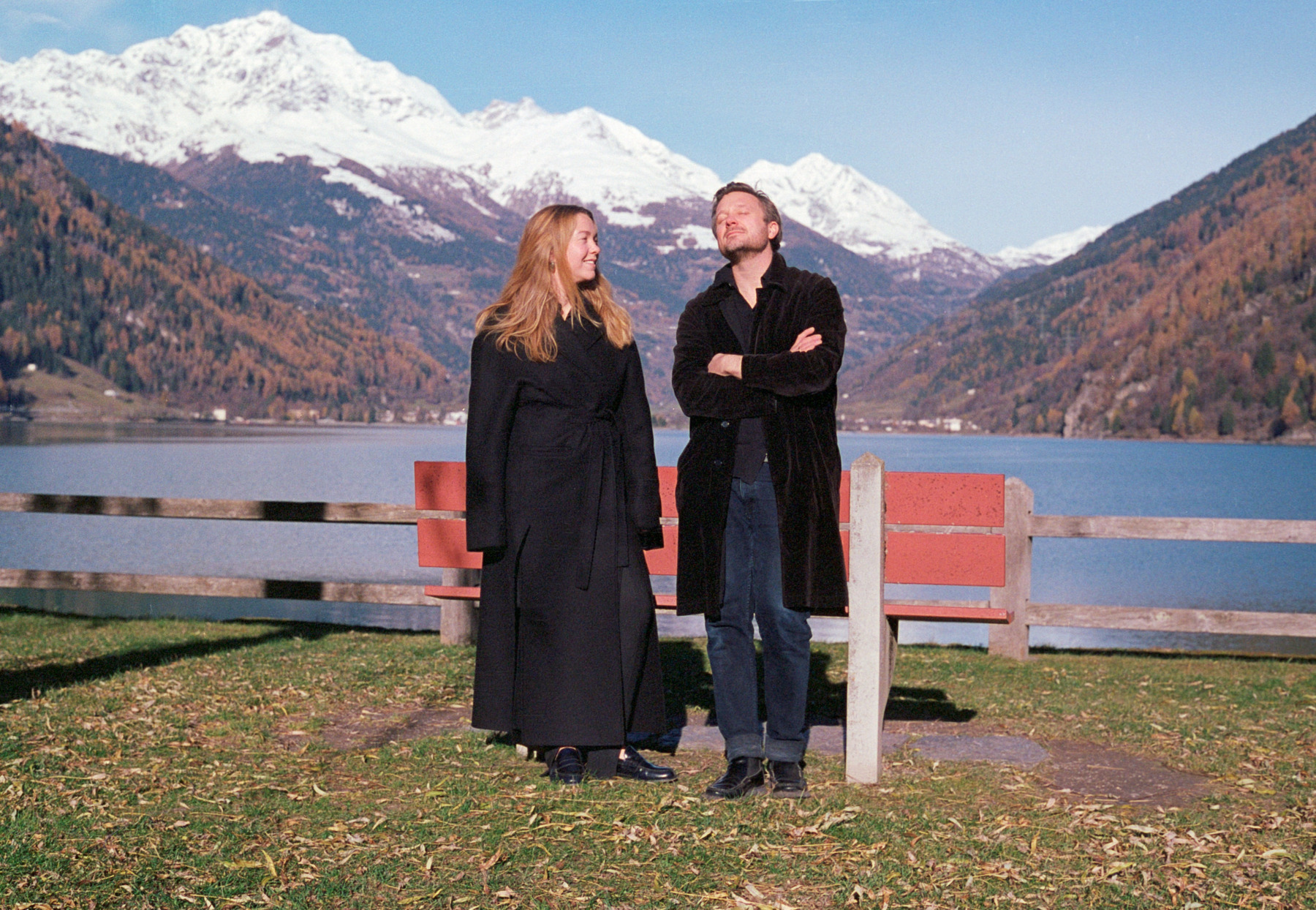
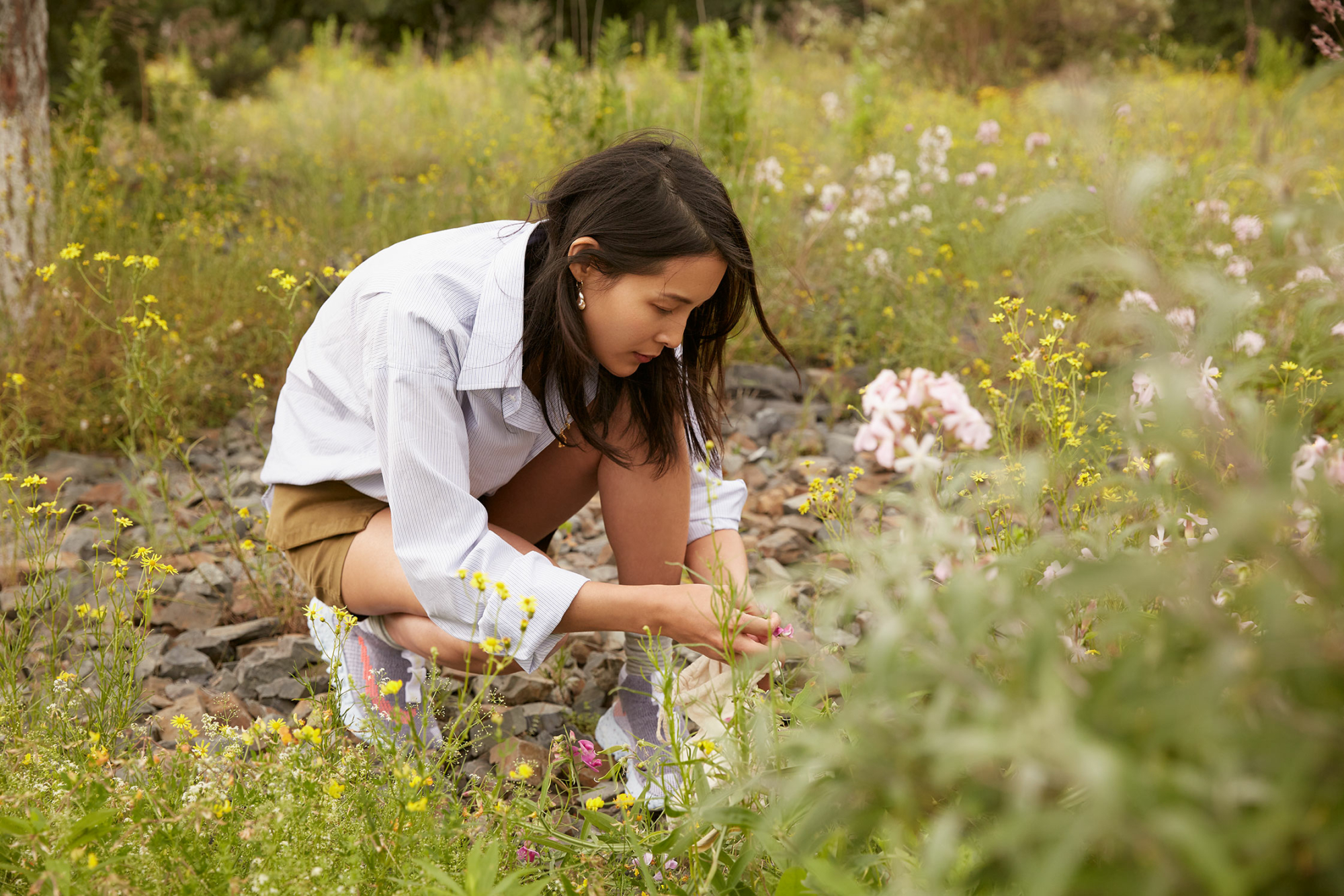
Charlotte Sarrazin crafts a curatorial vision in the scenic landscape of Val Poschiavo
📢 Advertisement Placeholder (Development Mode)
For Charlotte Sarrazin, the essence of art lies in its connection to people. Since the beginning of her career, the Basel-based curator has found inspiration in the relationships woven among artists, institutions, and audiences. With her latest venture as the first curator of Casa Tuena—an artist residency founded by the Swiss architects ARC1706—Charlotte is creating a space to foster meaningful connections.
And Casa Tuena is not just any space. Nestled in the heart of Val Poschiavo, within the Italian-speaking region of Switzerland, this 18th-century house was originally conceived by farmers as a place for gathering and working. In 2018, it underwent a meticulous restoration led by the Zurich-based architects ARC1706. Every decision—from preserving its original layout to using natural local materials and using windows to frame the landscape—reflects a deep sensitivity to the house’s history and surroundings. Beyond aesthetics, Casa Tuena is purposefully designed to be a meeting ground—a convergence of people, arts, nature, the past, and the future. A purpose that Charlotte carries throughout her curatorial vision for the residency program— starting with the first resident, the Berlin and Olso-based artist Marius Glauer.
As the inaugural edition concludes, against the backdrop of the valley, the curator reflects on the pressures within the art world’s production, the integral role of nature in creative processes, and the significance of honoring the community and the historical essence of this space.
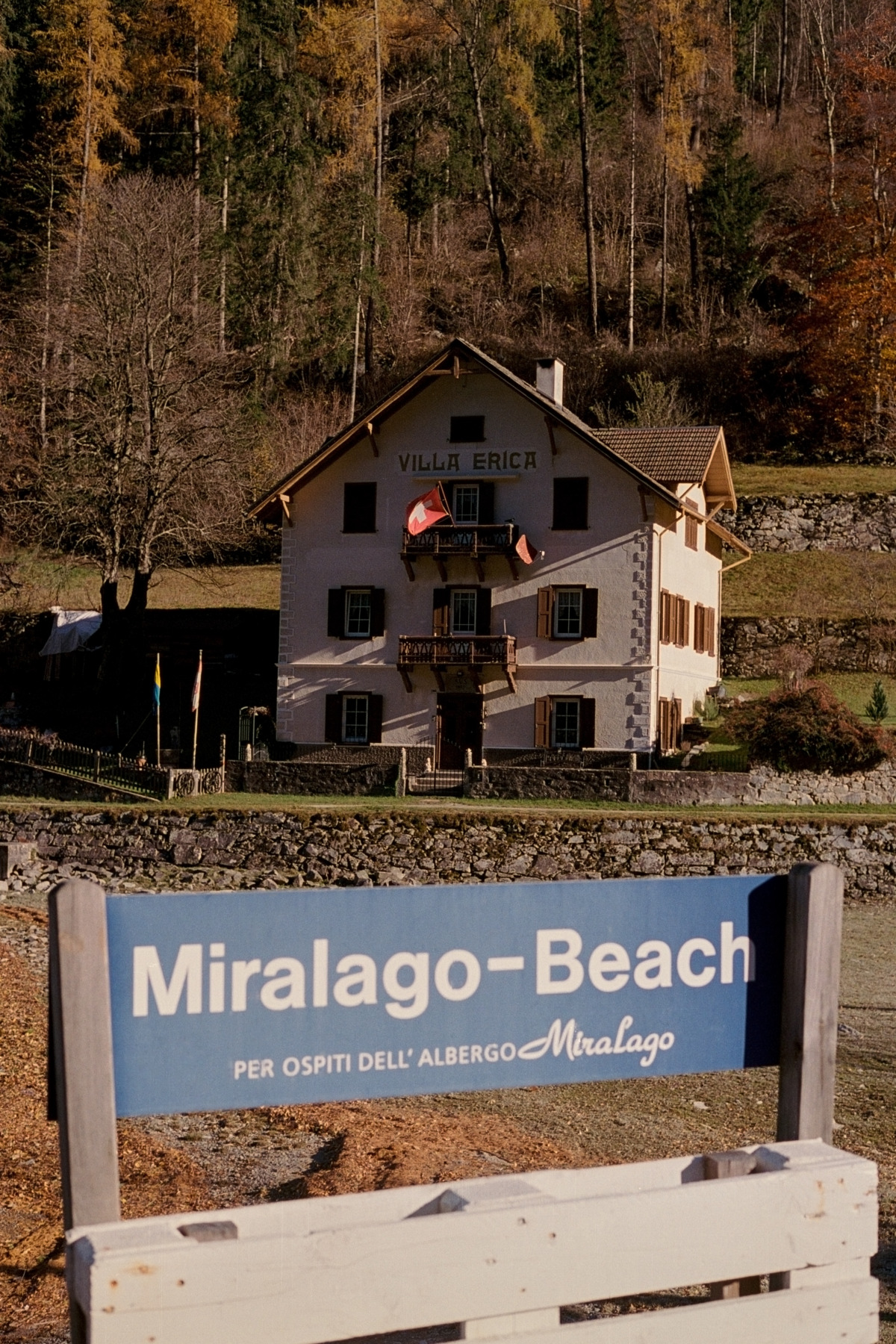
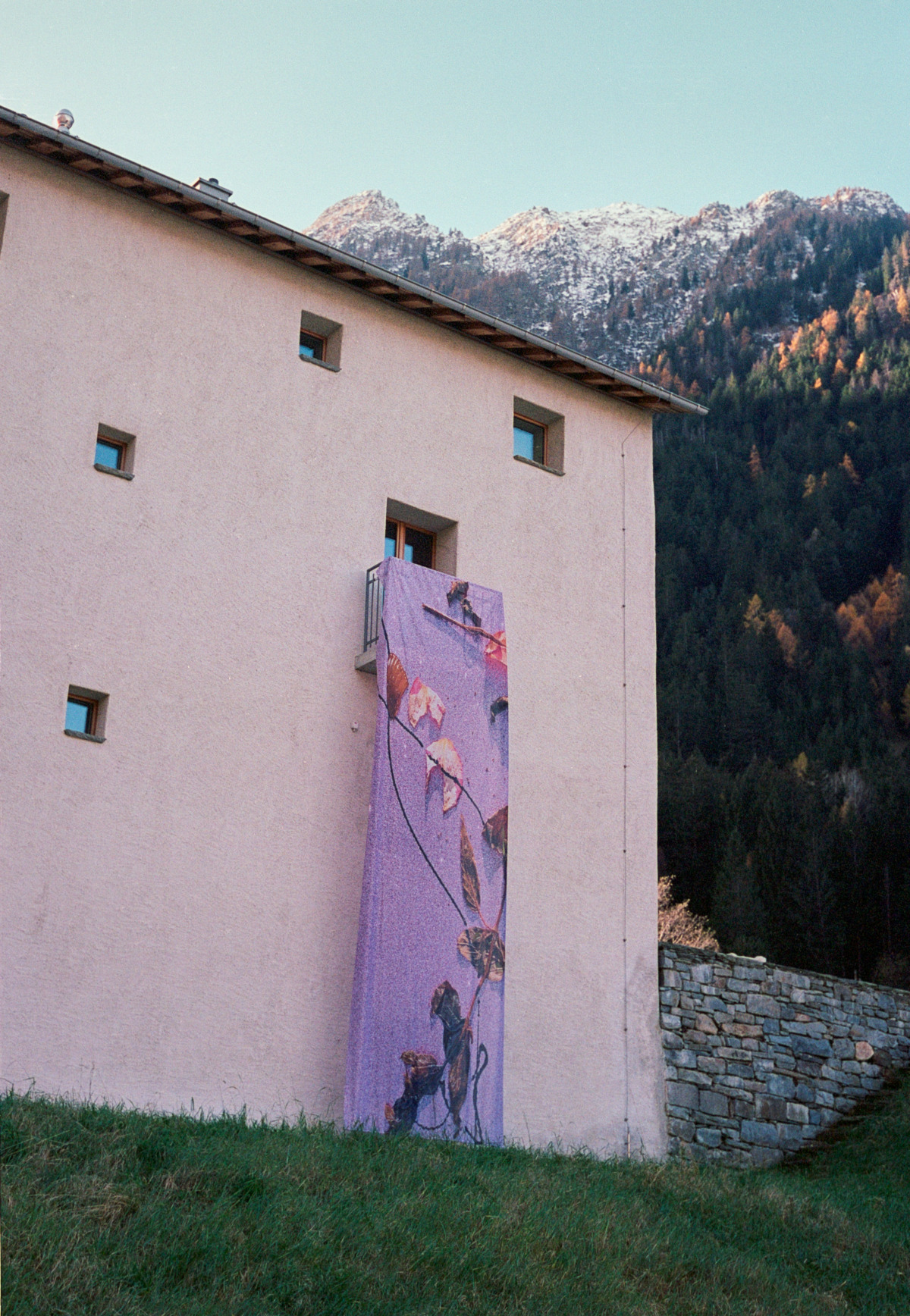
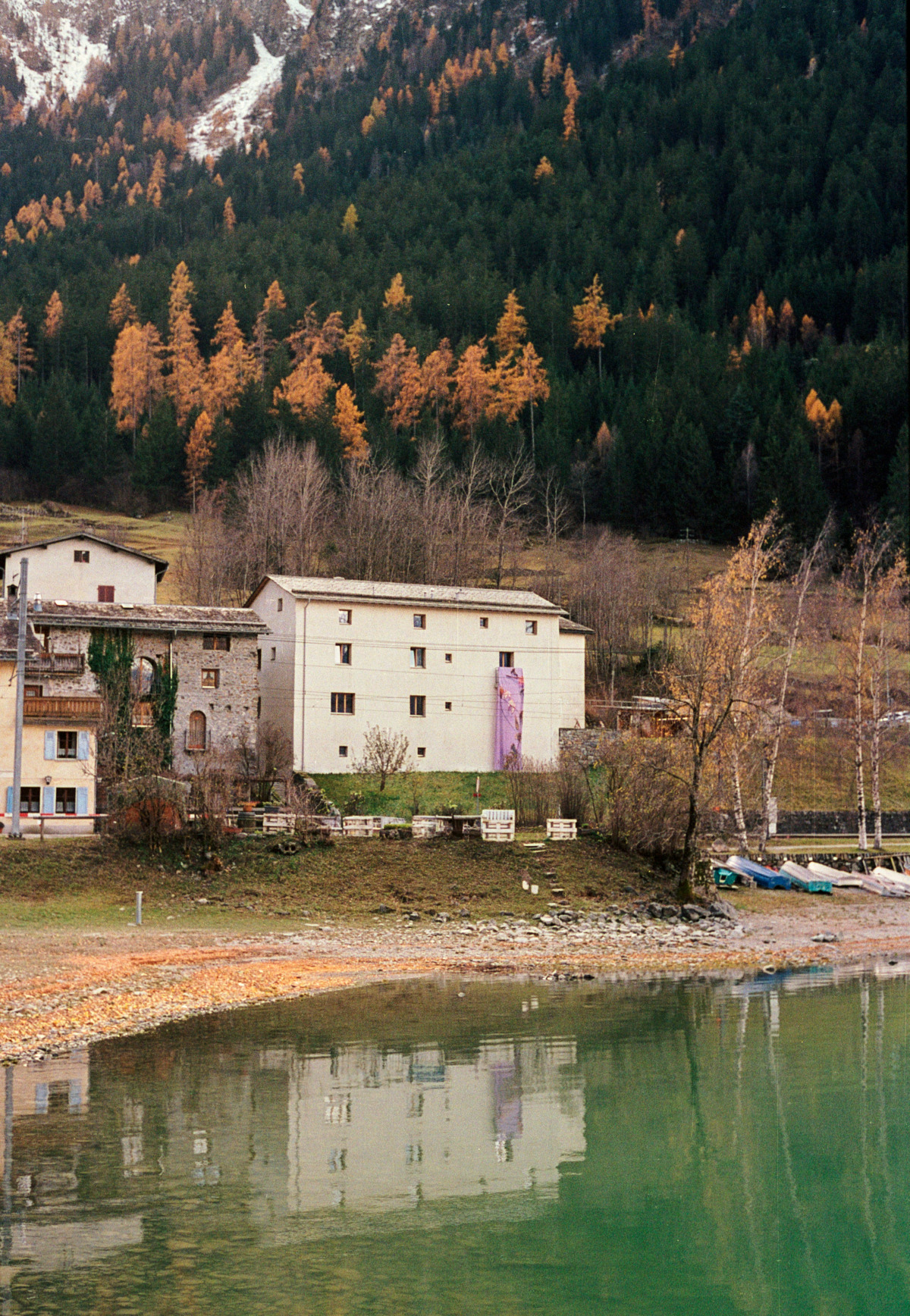
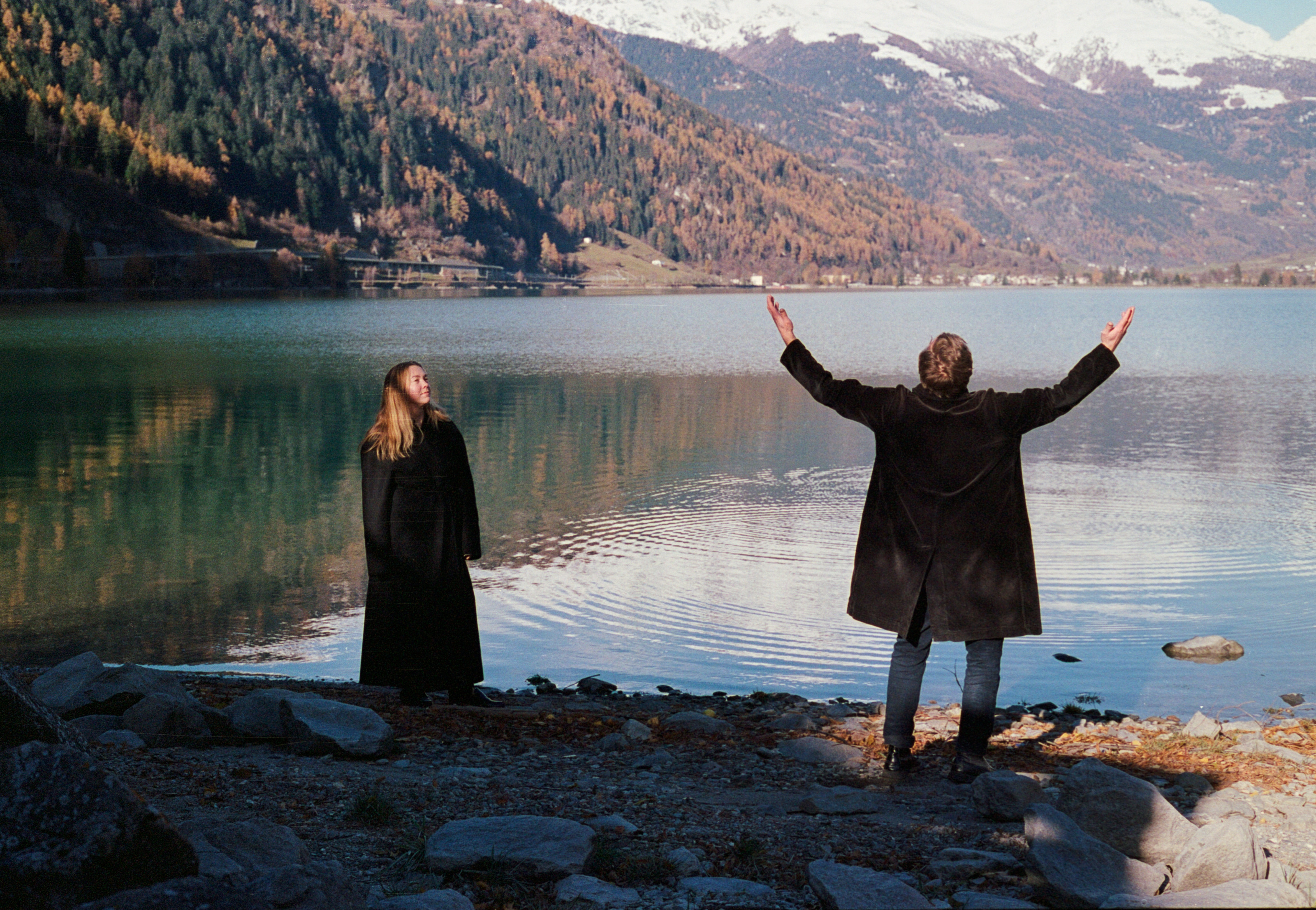
Miralgo is a little village in Val Poschiavo, a valley in the southern, Italian-speaking part of the Swiss canton of Graubünden.
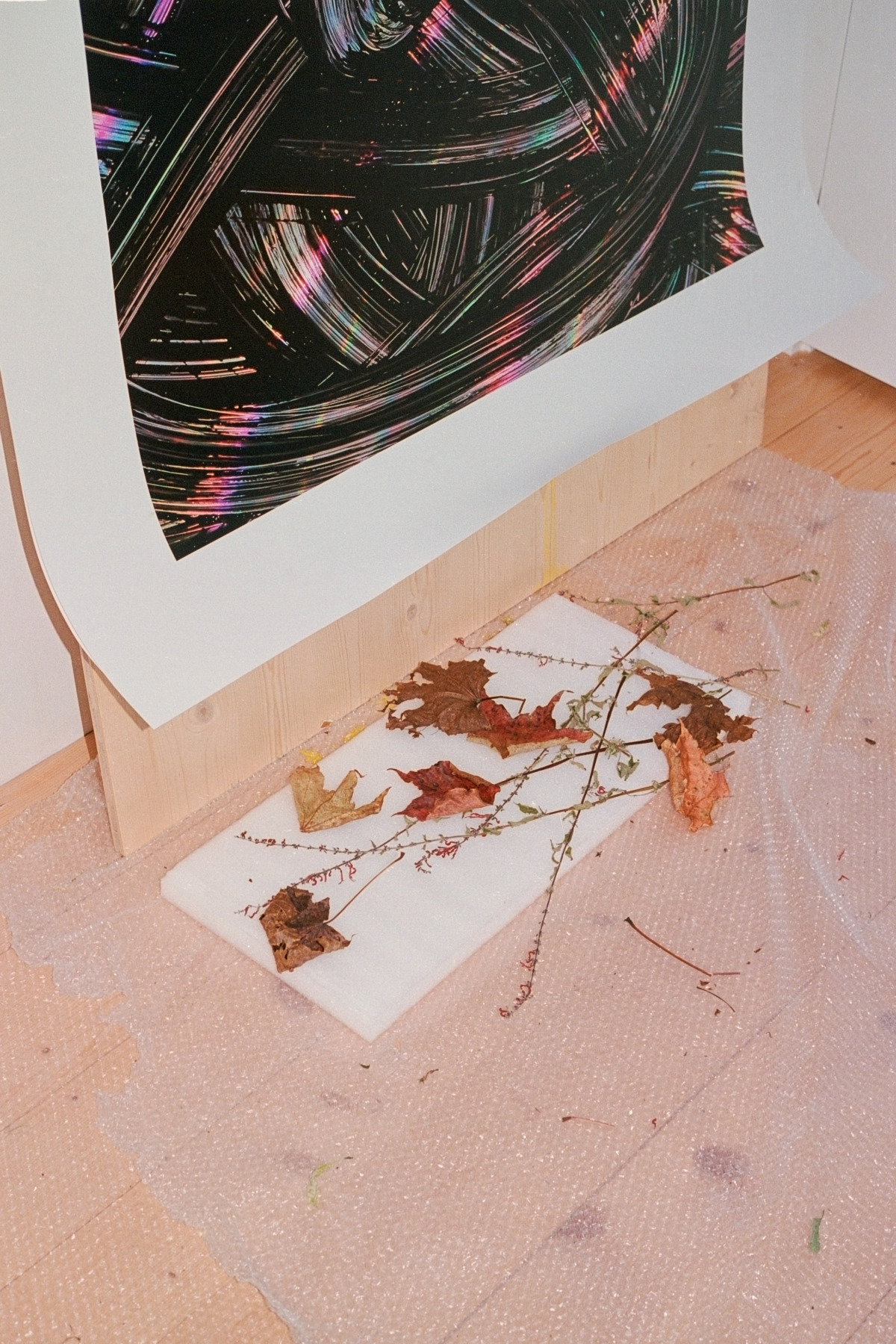
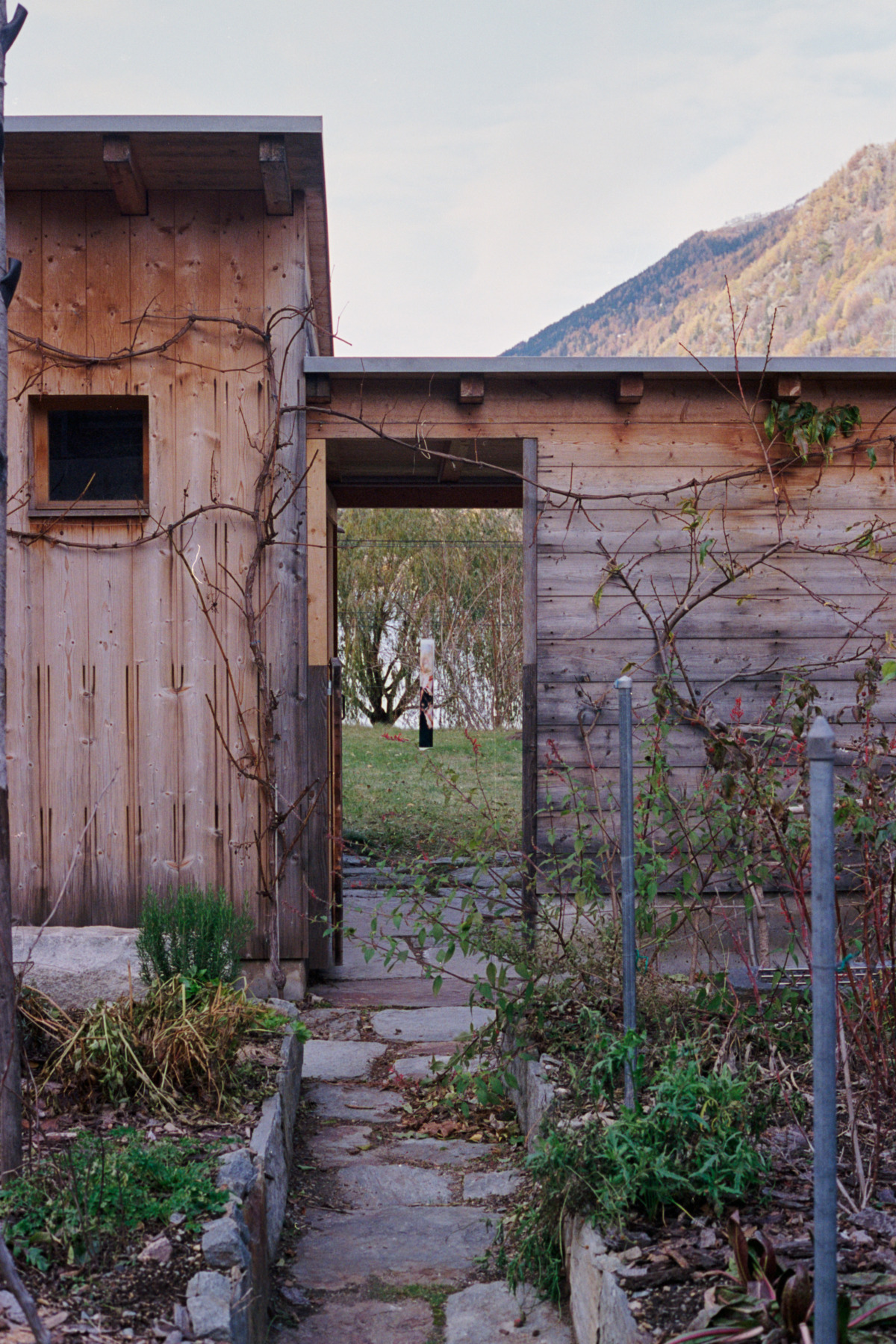
A six-meter-long flag by Marius Glauer creates a captivating installation at Casa Tuena, featuring fragments of butterflies, rose petals, and black paint.
FvF
Could you map out some of the highlights of your journey as a curator?
I studied Literature, Art, Media Studies, and later on, Curatorial Studies. I have always been interested in museums—which are now undergoing a profound transformation as we rethink existing institutions and formats while developing new forms of presentation, mediation, and knowledge production. Following this interest, in 2015, I moved from Zurich to Berlin and worked as an intern and a curatorial assistant at Hamburger Bahnhof. And after that, I worked as an artist liaison at the gallery Sprüth Magers. There, I worked closely with different artists and estates. But the highlights are the people I met in all those different positions. I had a lot of mentors, not just other curators and gallerists but also artists.
FvF
Are there any artists who shaped your view on your own curatorial practice?
At the very beginning of my career—when I was interning with the Hamburger Bahnhof—I worked on the reinvention of Allan Kaprow’s ‘Fluids.’ The original work was a participatory piece that happened in various public locations in California in 1967, where Kaprow asked people to build ice structures within the city. In 2015, the Hamburger Bahnhof decided to reinvent this piece by inviting contemporary artists to respond to this happening piece from their practice. There were artists such as Ahmet Öğüt, Alexandra Pirici, and the artist’s group Stadt im Regal. This was one key moment when I thought, “Okay, this is really what I want to do.” The focus of this project was on the audience and their participation—it involved so many people. I now think it is so important for the future of museums to think about the audience so that we don’t become bunkers with beautiful collections.
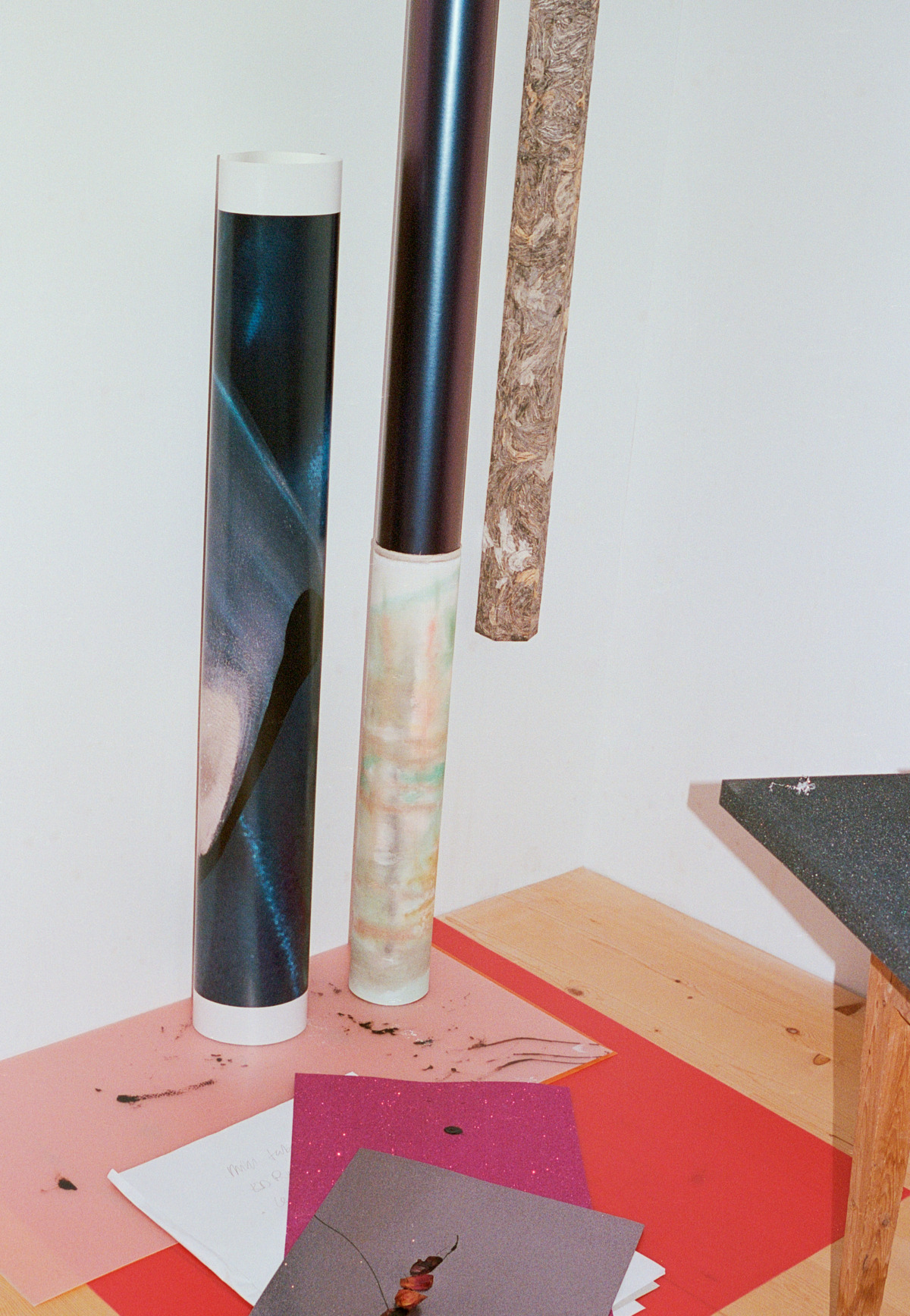
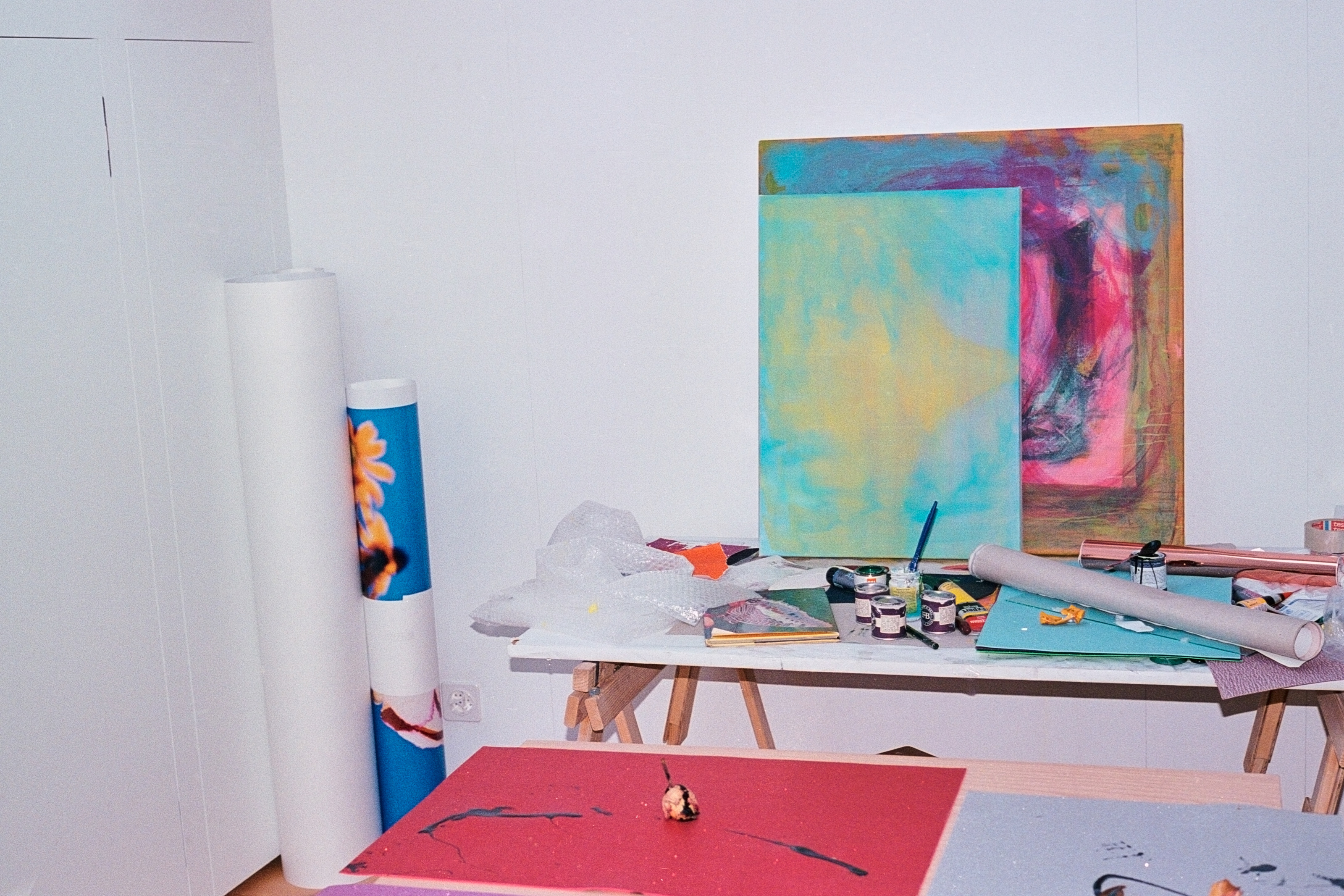
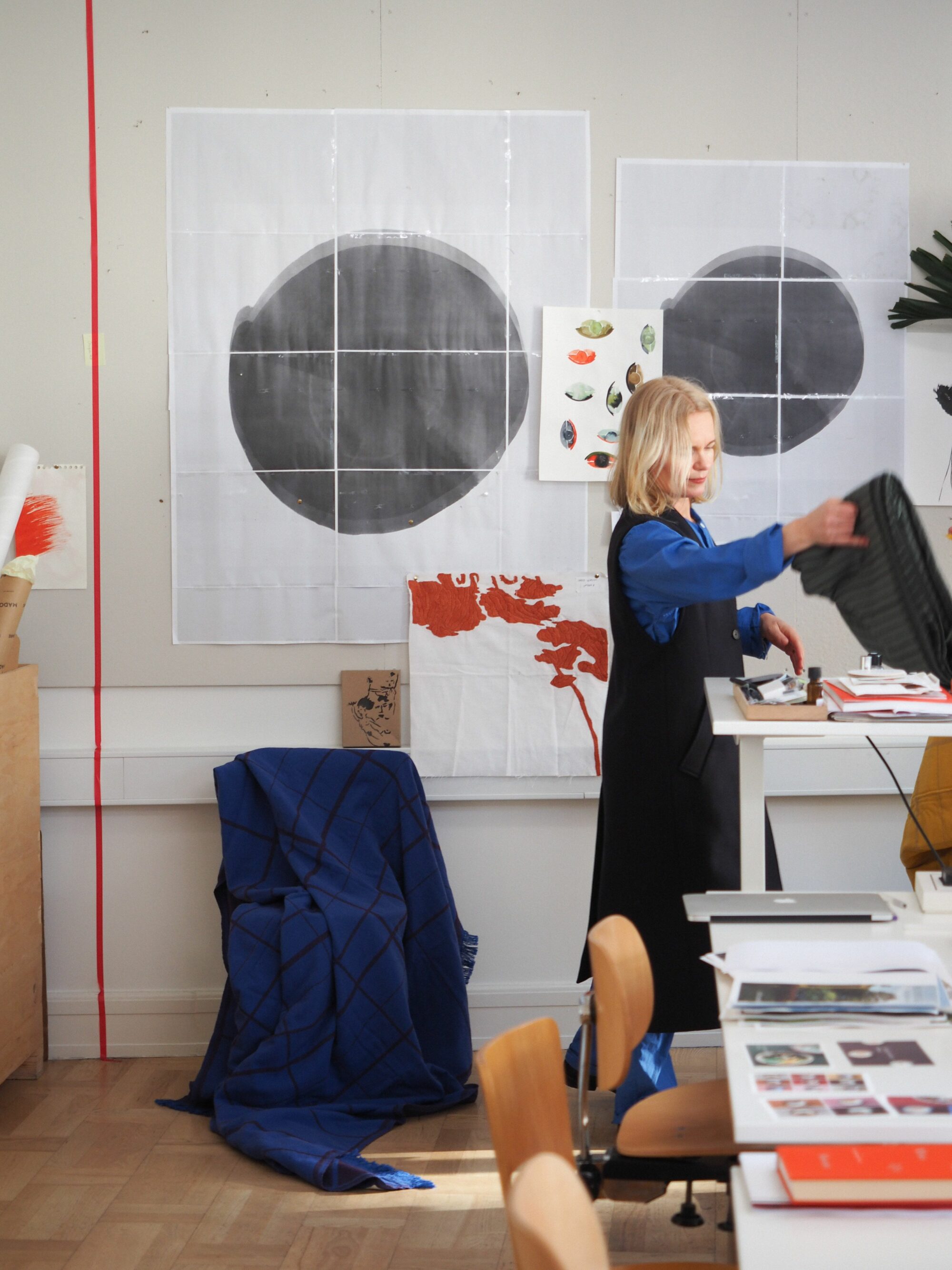
Casa Tuena offers a space for artists beyond the parameters of production and exhibition making.
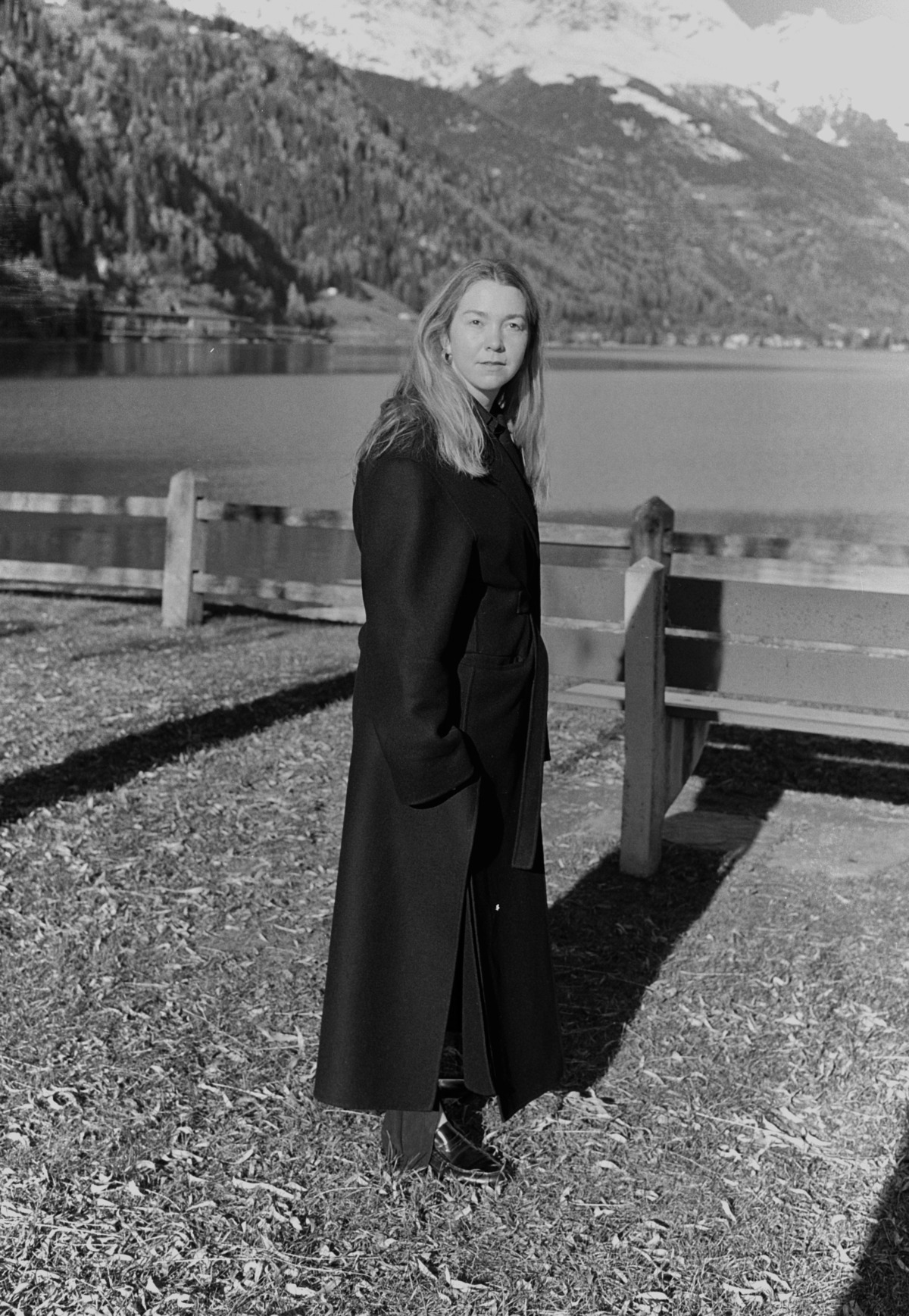
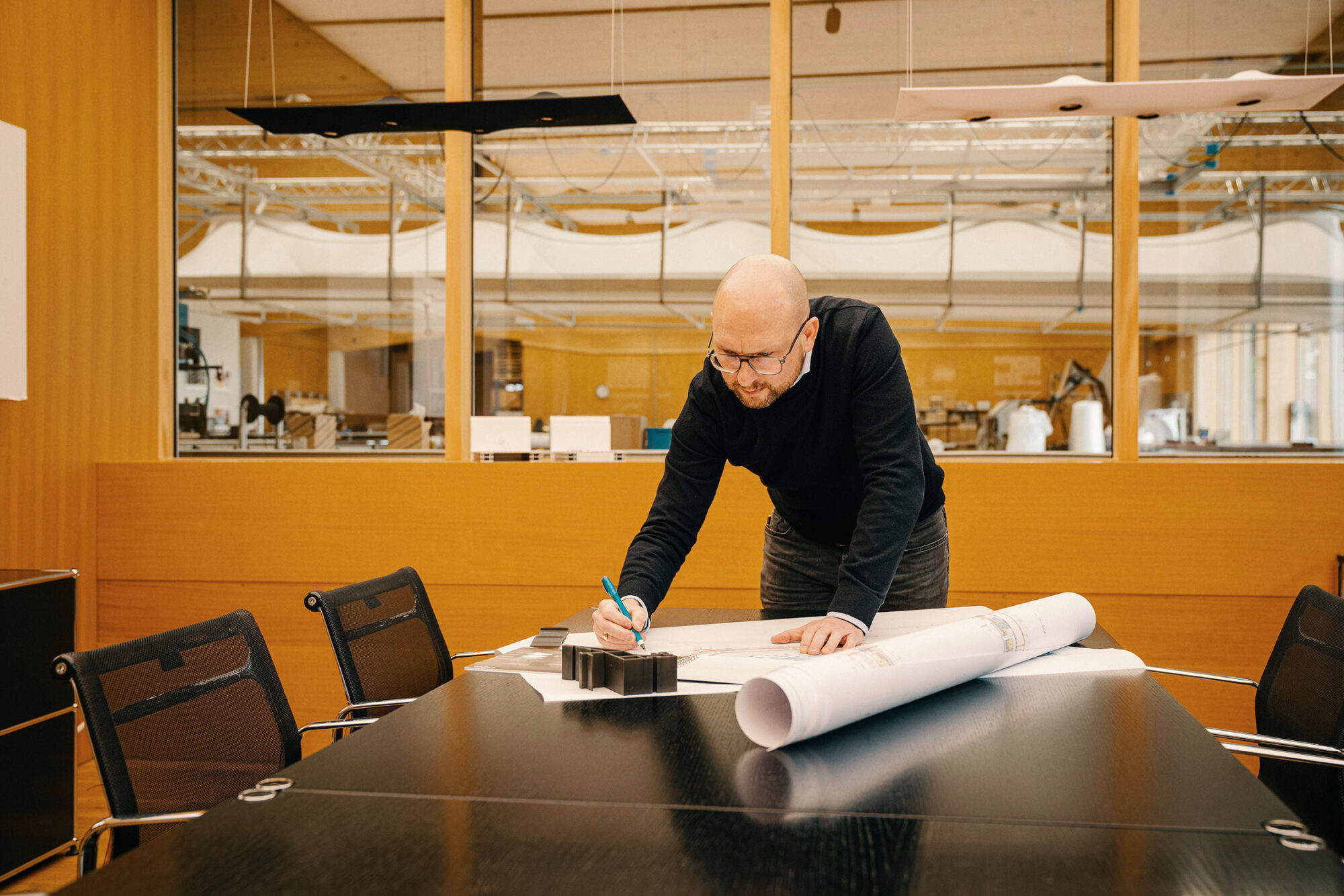
Charlotte is the first curator of the Casa Tuena artist residency program; the role creates a welcome contrast to her institutional job.
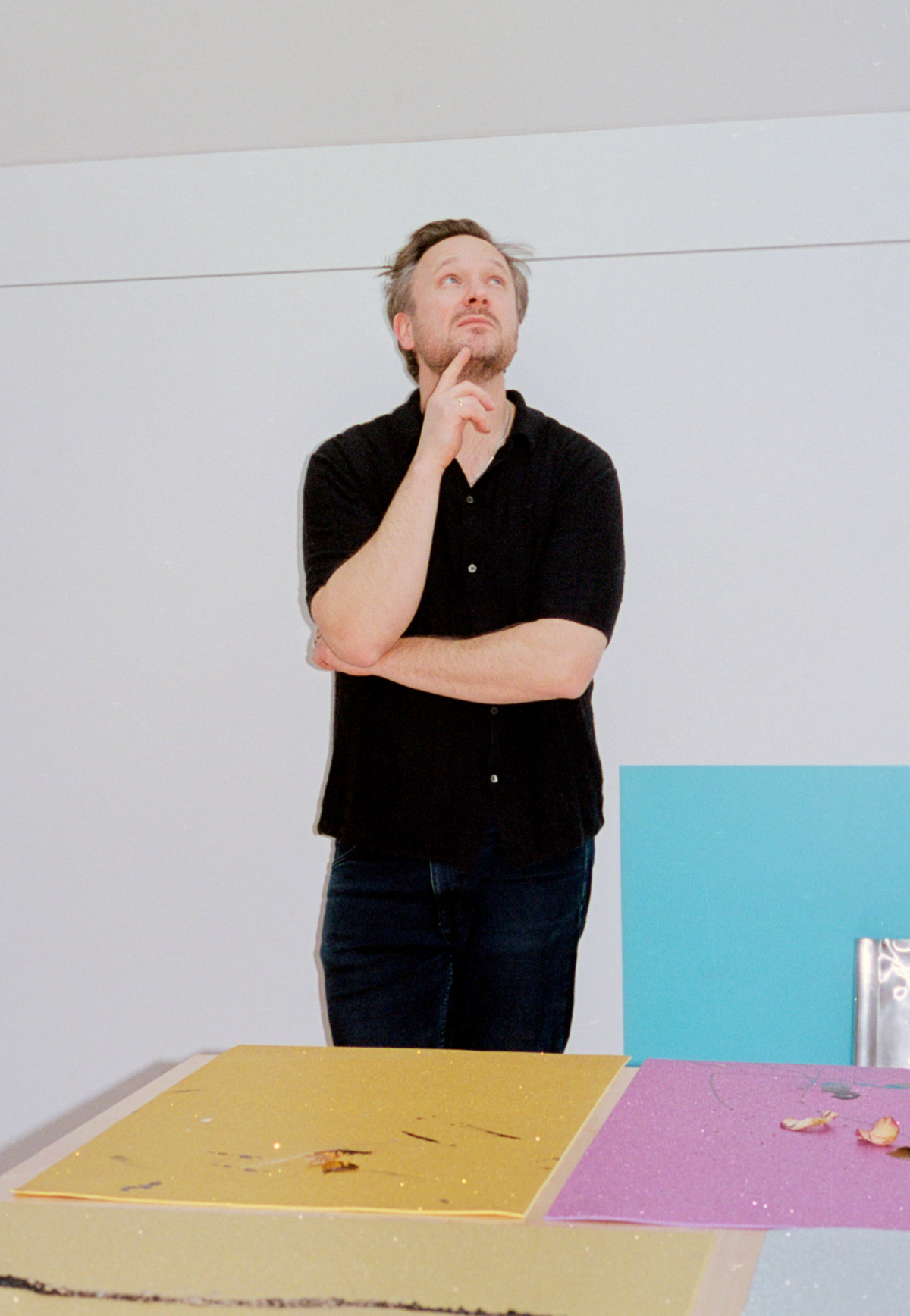
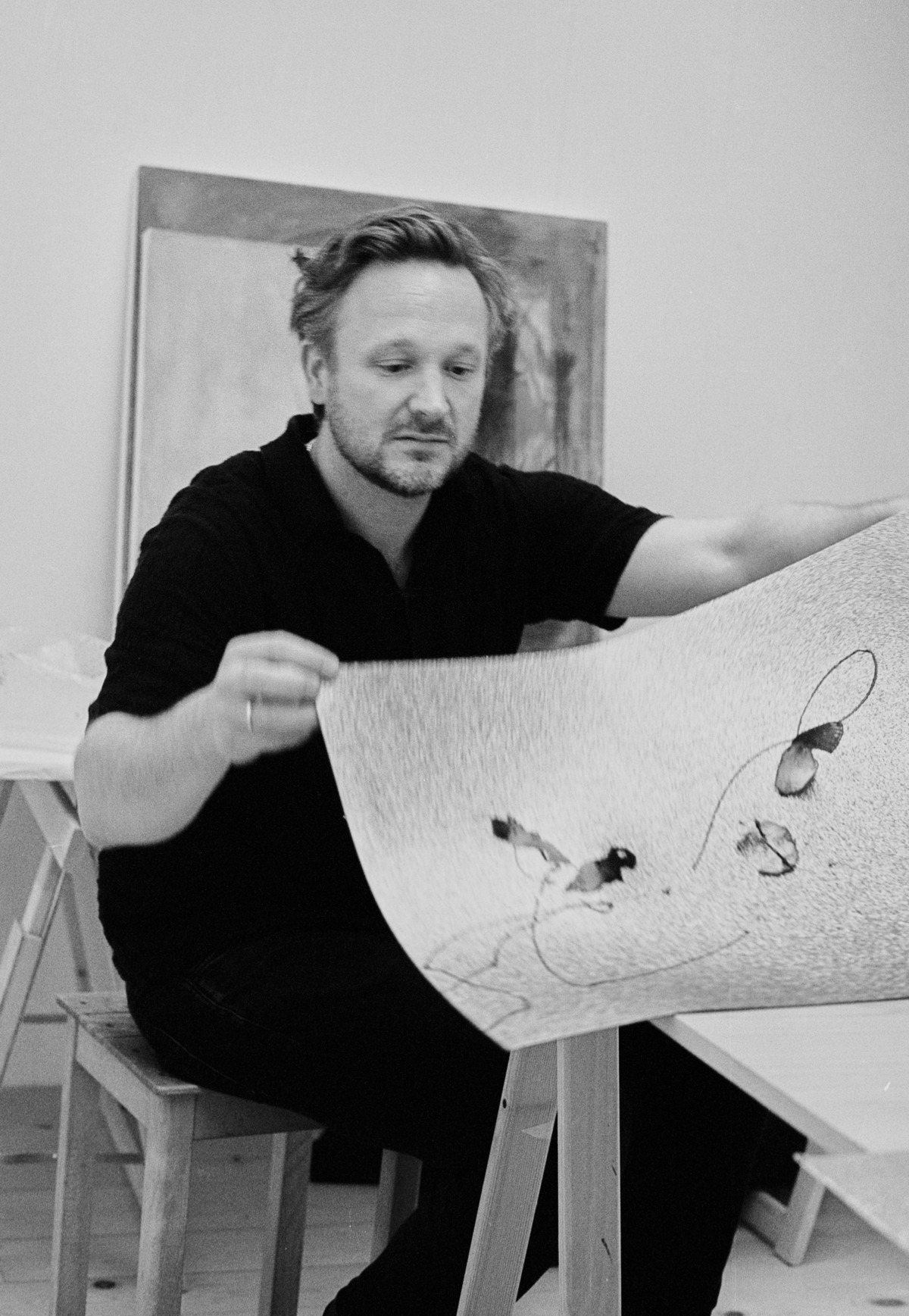
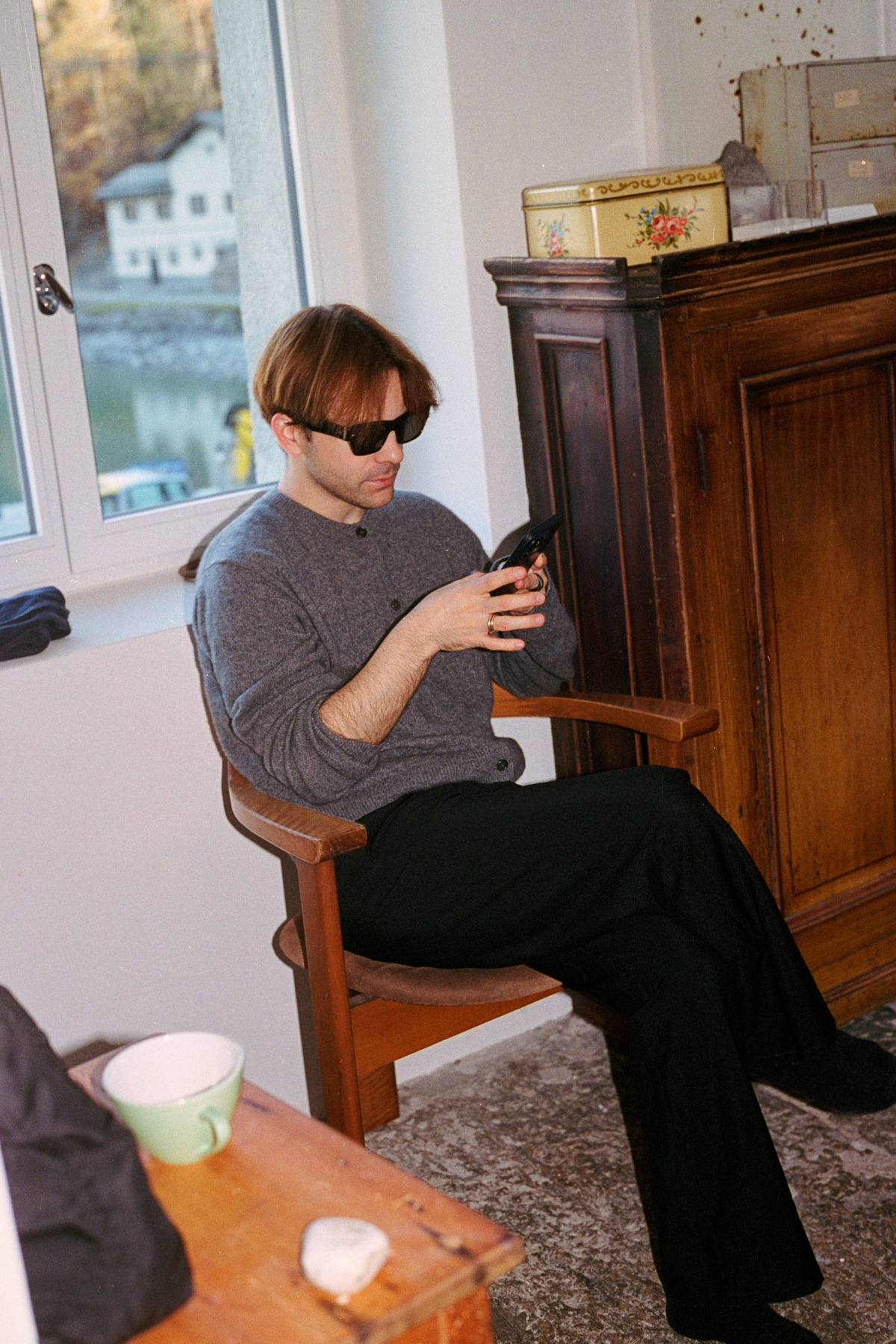
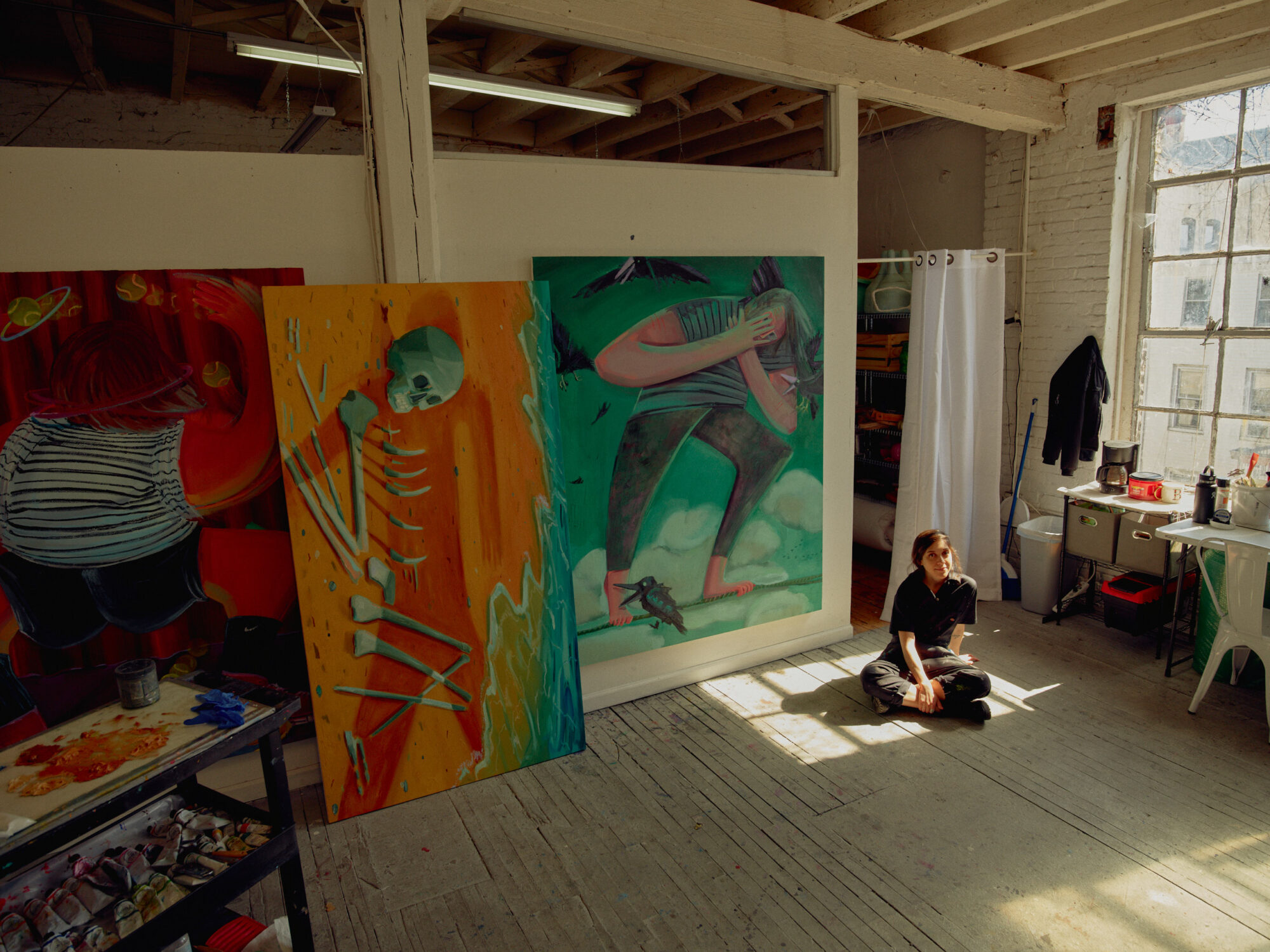
Marius Glauer, the first artist-in-residence at Casa Tuena, in the studio.
FvF
How did your collaboration with Casa Tuena come about?
At the beginning of 2020, I started working with Fondation Beyeler—where I’m still working—so I moved from Berlin to Basel. There, I met the Zurich-based architects ARC1706, and one of them asked me to join a hiking weekend with a group of people, all working in different fields. That was the first time I went to Val Poschiavo, and visited Casa Tuena. For the first edition, ARC1706 invited me to choose the first artist-in-resident. So we began working together in the program. This was a project which has nothing to do with my institutional job and allowed me to try things while being open to failing.
FvF
The region and the house are very special. Could you walk me through them?
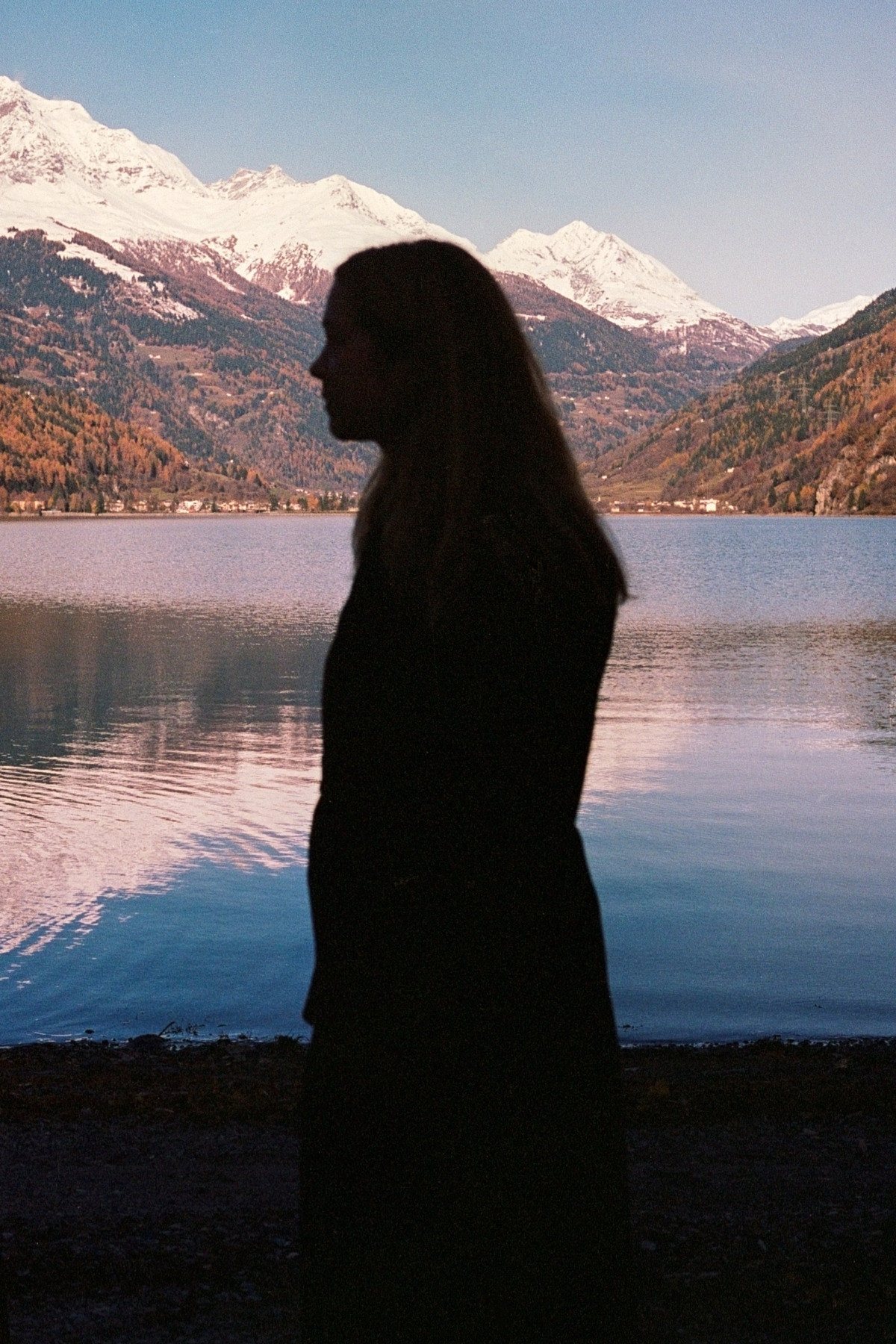
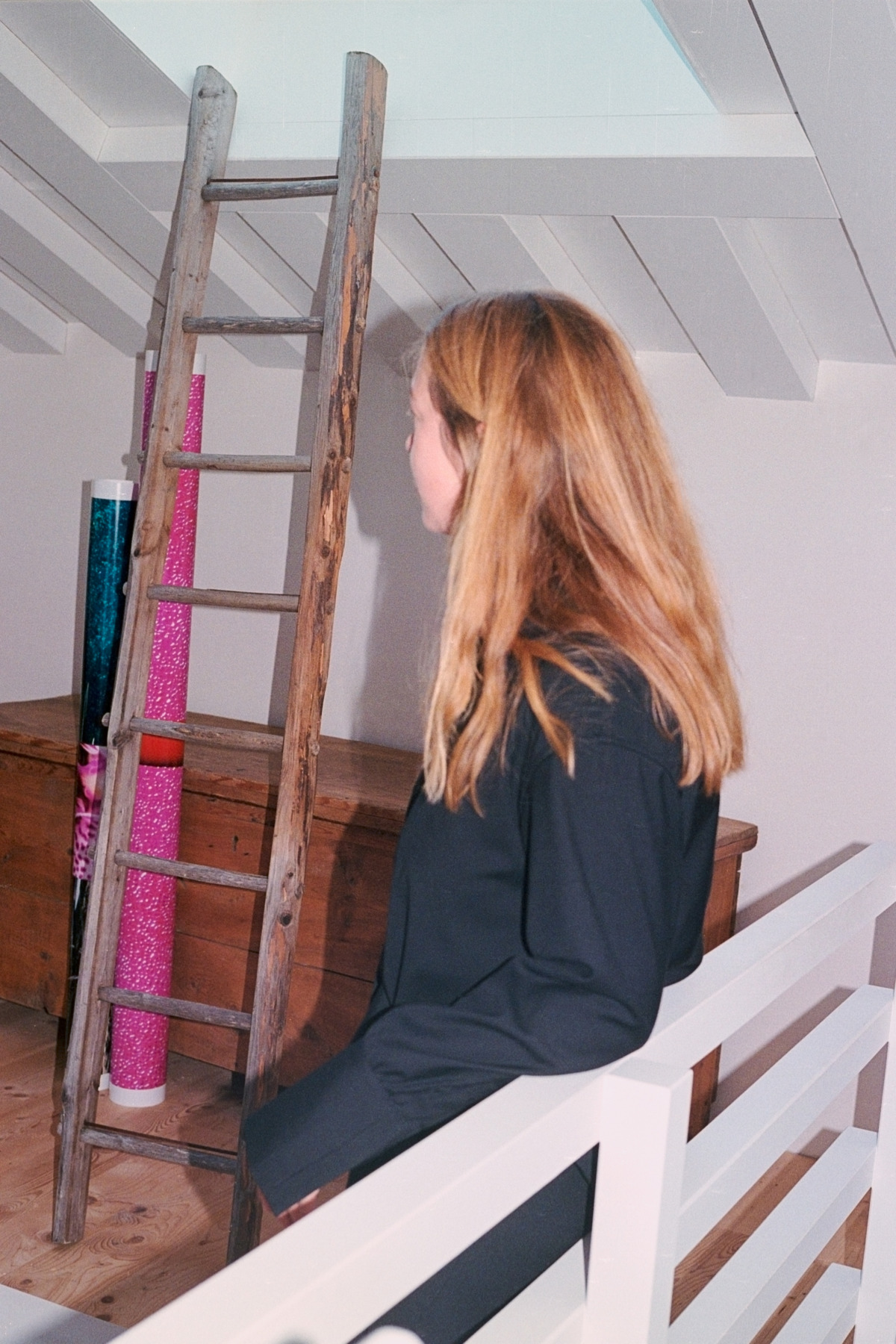
The house is right at the southern end of Lake Poschiavo and looks at the Bernina mountain. On the right, there’s this little church San Romerio. Around here, people grow their own vegetables, you can take a hike, and people from the village go to church up the hill. Casa Tuena itself has always been a place for gathering. It was built in the 18th century by farmers with natural materials from the valley and was a place to live and work. Much of its original nature was lost during a renovation in the 60s. In 2018, ARC1706 brought Casa Tuena back to its character by using the original structure and only local materials. All of the interventions focused on finding a contemporary way of integrating the history of the house. They thought about the house in dialogue with its surroundings and history. Every space frames the view into the landscape and creates a subtle continuation of the exterior into the interior. That is what Casa Tuena is—a place where the past collides with the present. The future is brought closer by retracing those existing forms, movements, and narratives that are already there. It is a space where viewers and artists can become agents of positive change, and hopefully progress.
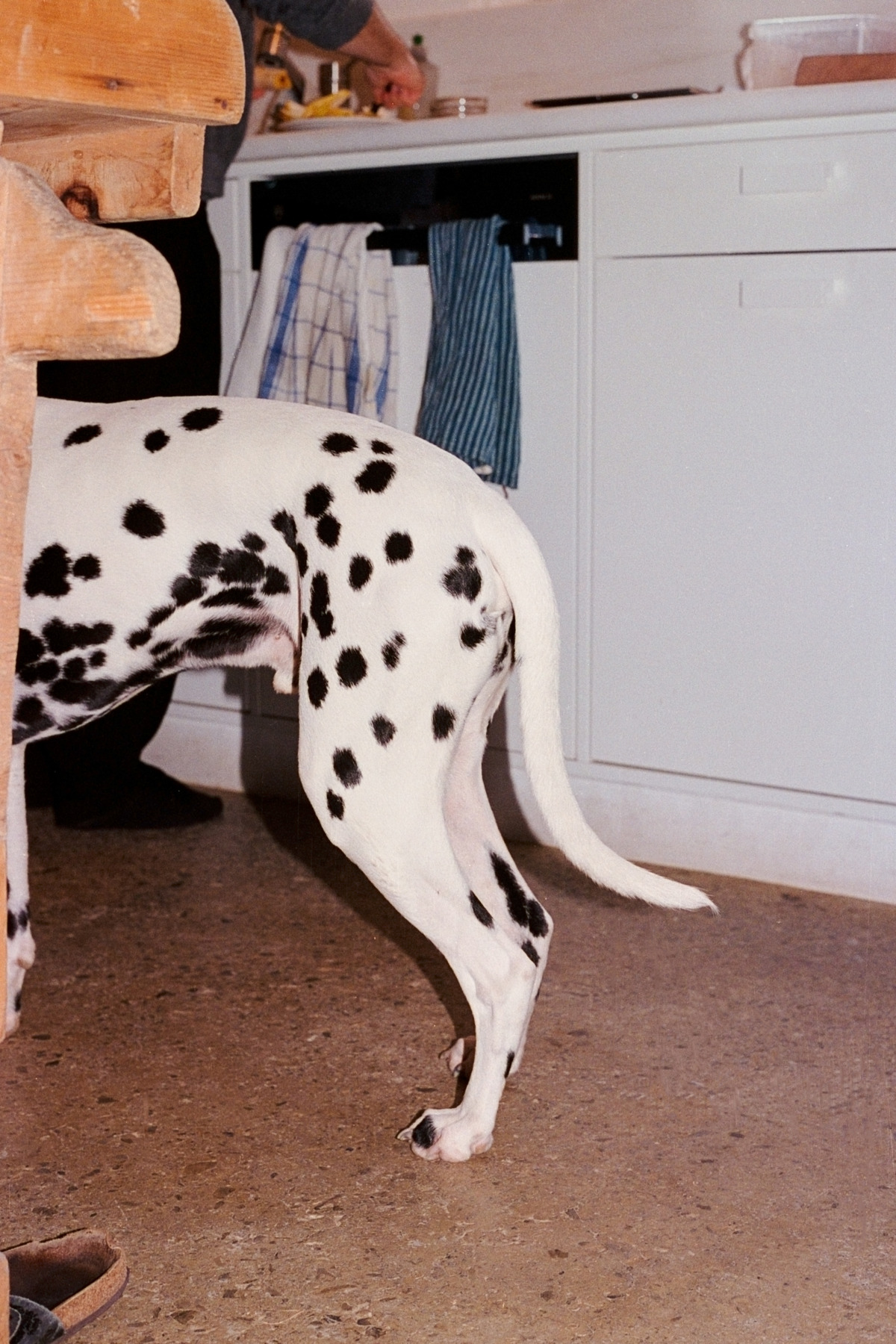
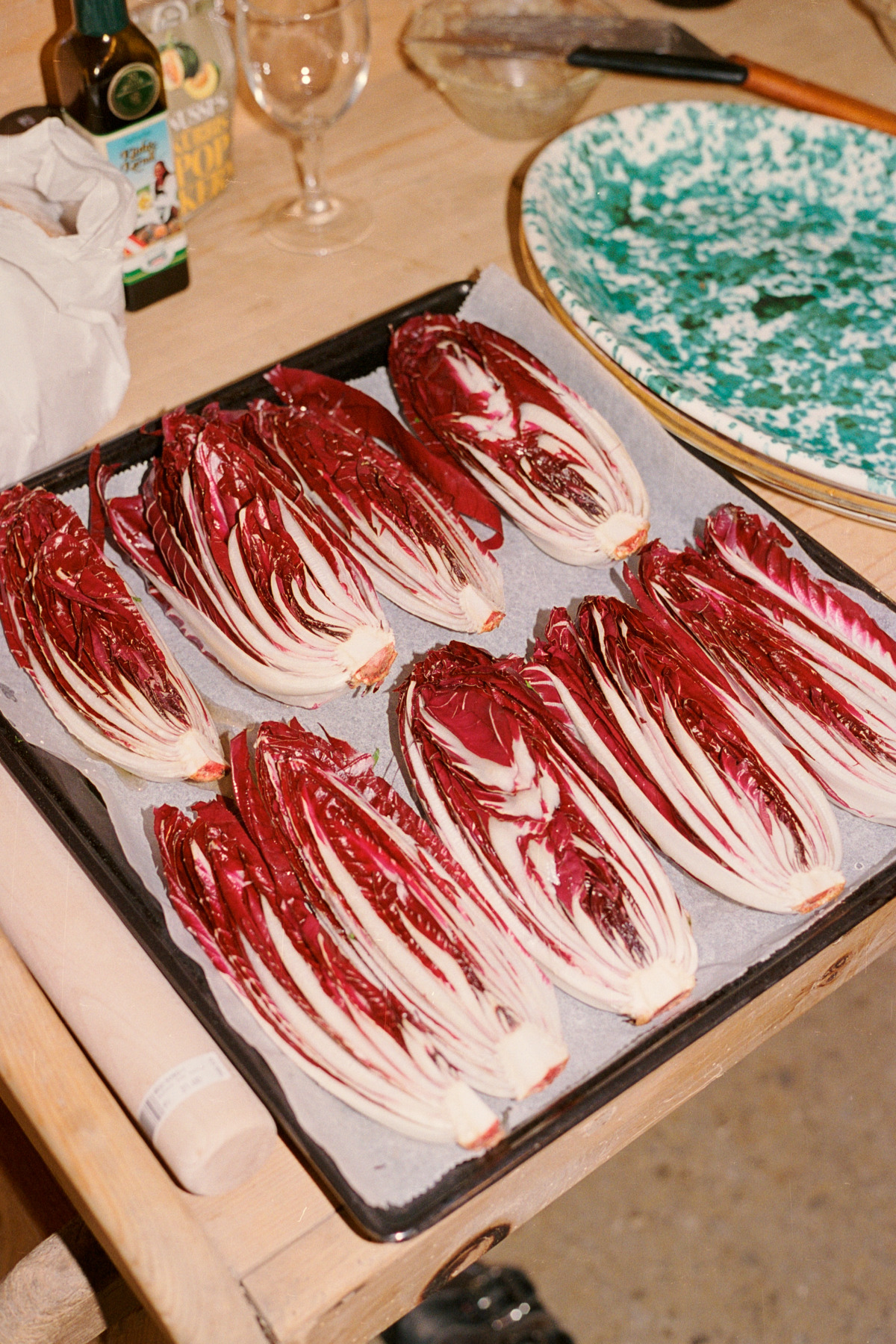
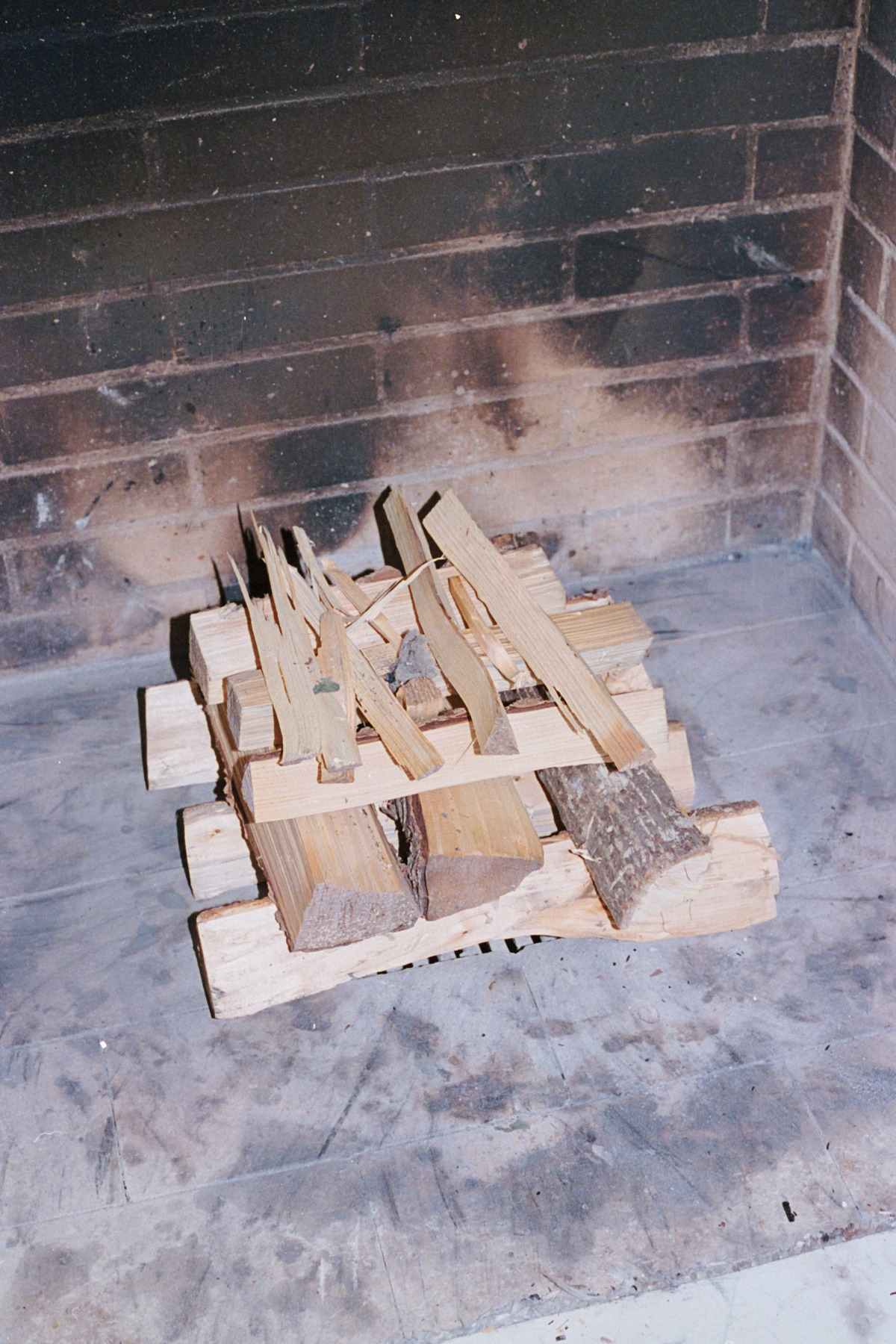
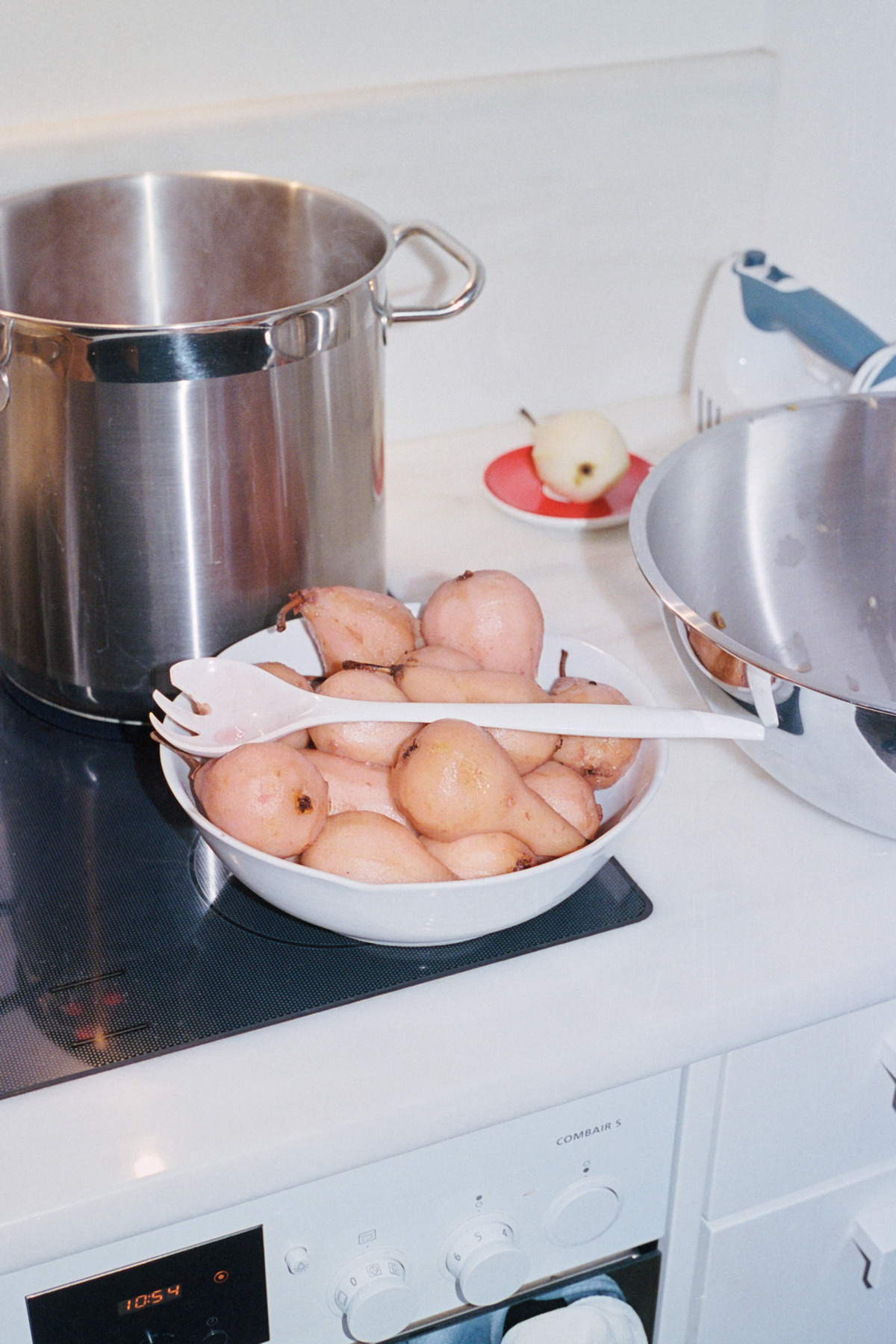
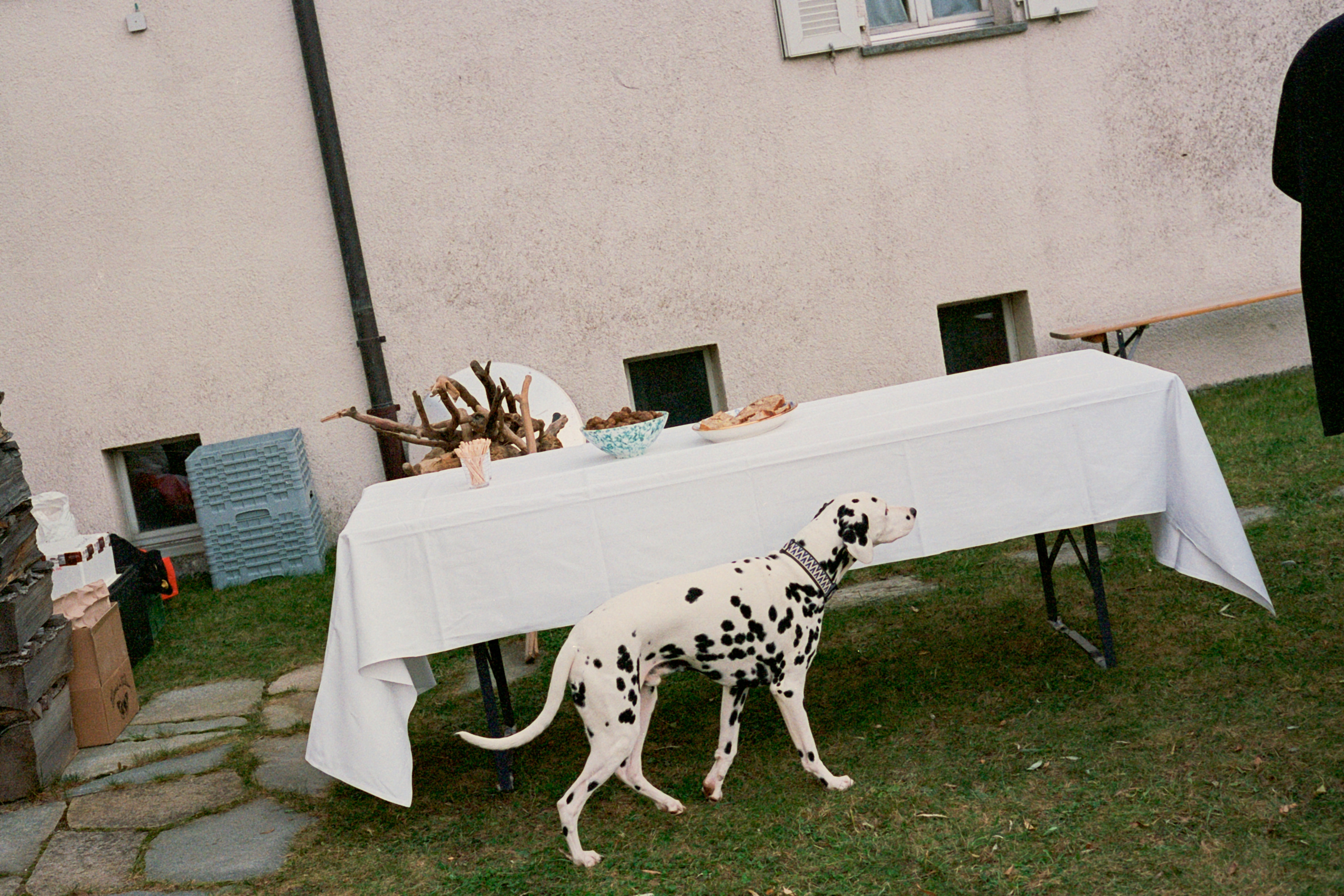
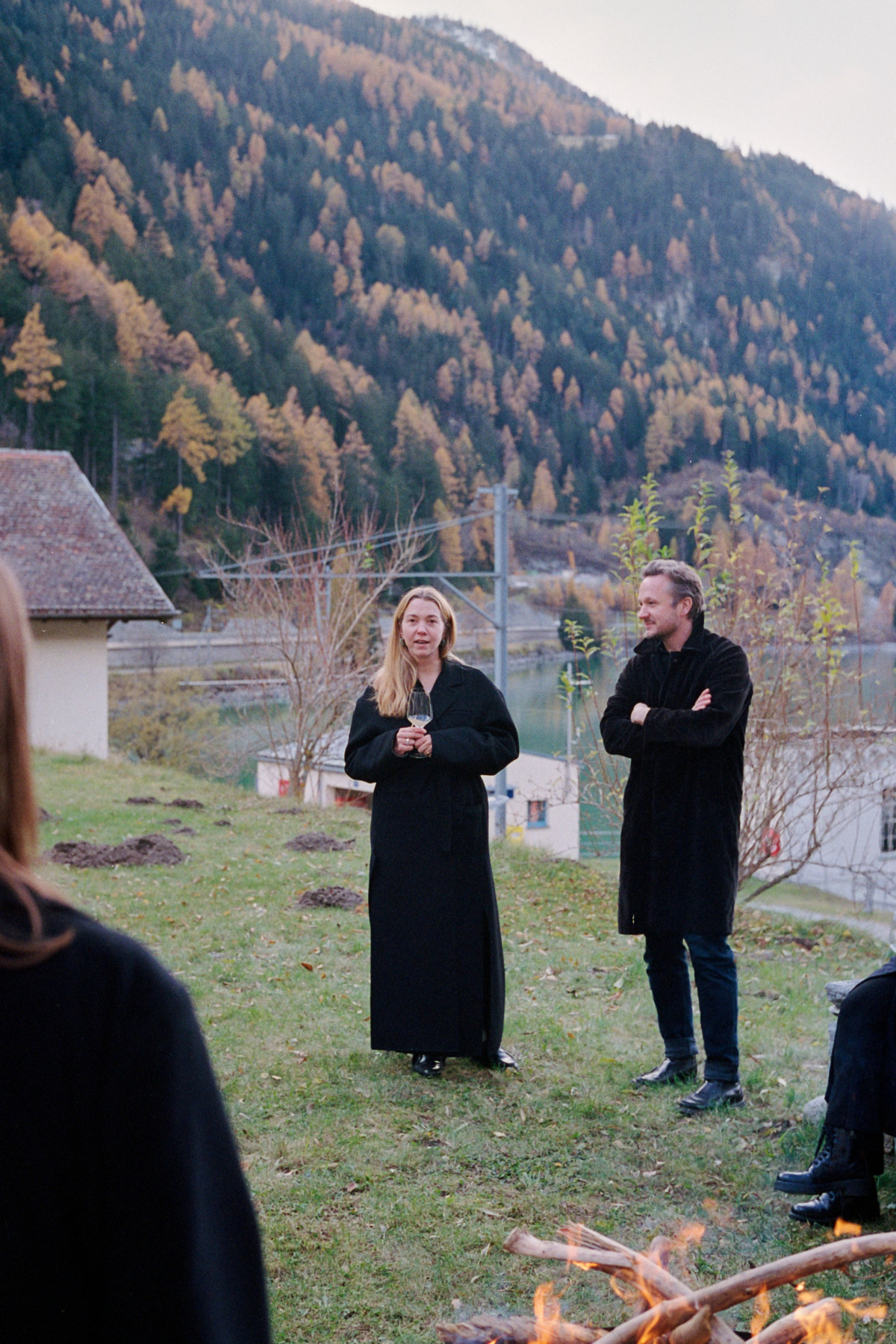
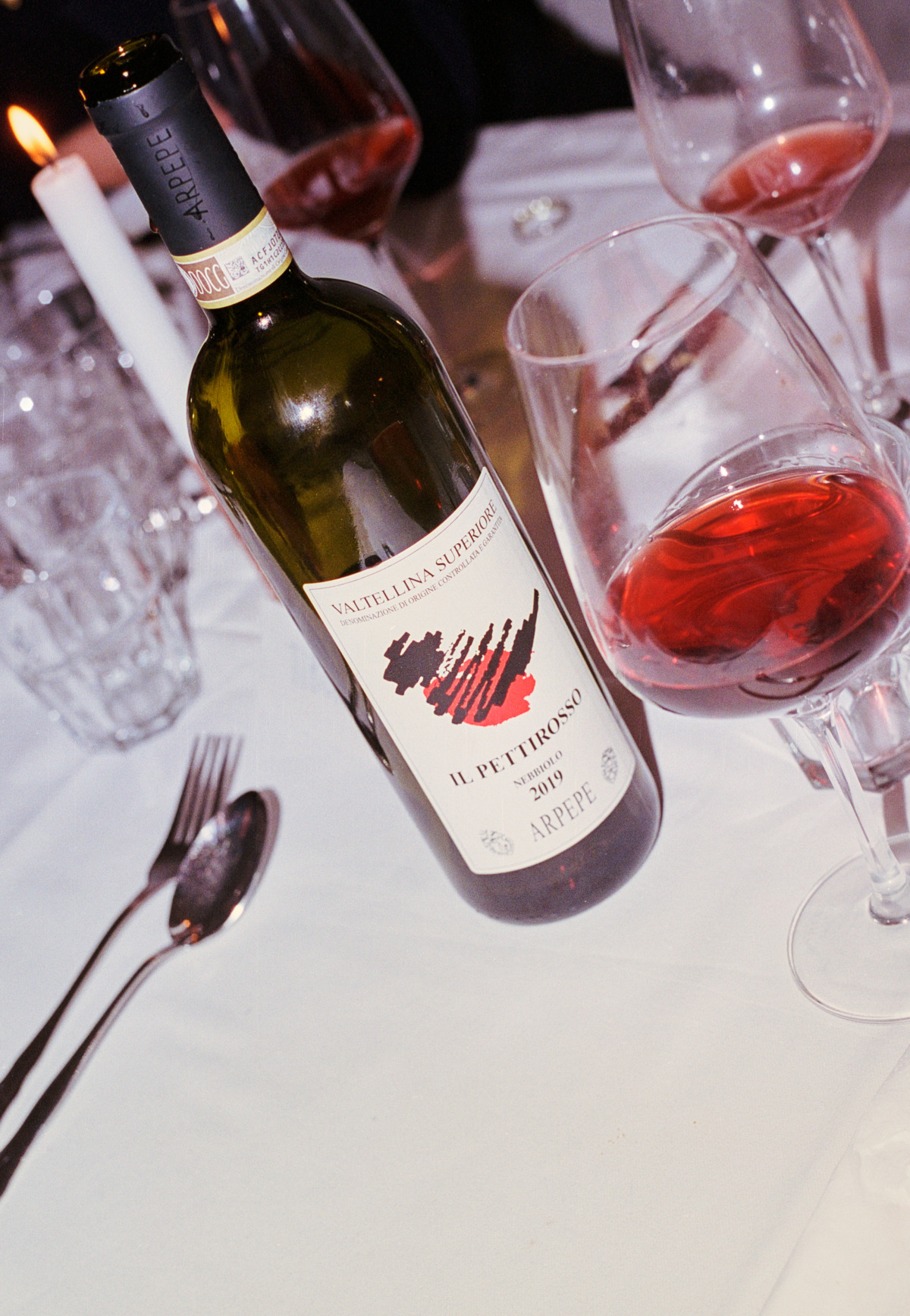
At the end of each edition, there is a gathering to celebrate and share new ideas. On the last one, Ivan Pepe dived into the region’s specialties and cooked a menu highlighting regional ingredients.
The Val Poschiavo region is home to snow-capped mountains and vineyards, with beautiful nature, scenic towns, and historic buildings and churches.
FvF
What is your perception of the relationship between arts and natural landscapes?
I think that artists are more and more interested in having moments to contemplate. When you look into history, artists and writers have always found inspiration and intellectual debate in the mountains, in nature, in the landscape. So many artists feel this urge to dive into the quietness, the light, and the materials they’re surrounded with—the colors, the stones, the water. This is what I find so unique about the residency format— it gives the artists the possibility of embracing this craving of a pause from the usual routines and inhabiting a space free from tension and production pressures.
“Every space frames the view into the landscape and creates a subtle continuation of the exterior into the interior. That is what Casa Tuena is—a place where the past collides with the present.”
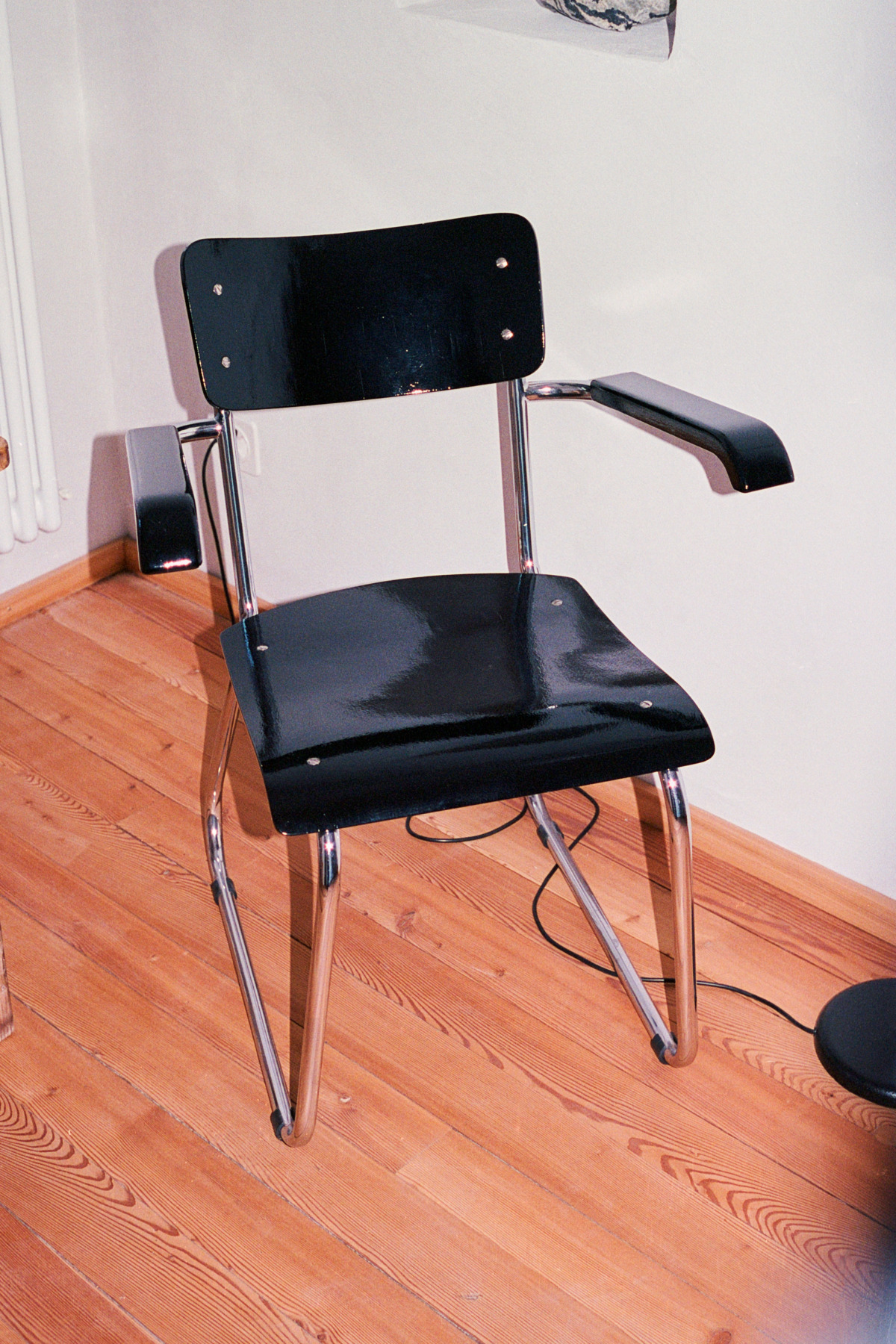
Local materials were used throughout the restoration project and create a subtle continuation of the exterior landscape into the interior spaces.
FvF
What is your curatorial vision for the residency?
Within the current art production and consumption landscape, a residency like Casa Tuena is unique—there are no deadlines and no production requirements. For me, it isn’t about the media in which the artists work—they can be writers, collectives, or visual artists—but it is more about them being open and ready to share their ideas and practices and to create cultural debate, especially with the local and cultural communities. For the first edition, I chose Oslo and Berlin-based artist Marius Glauer. His oeuvre is intriguing, complex, and strongly influenced by nature. His photographic works contemplate the phenomena of resonance by creating futurist images that seem fallen out of time. He was the perfect match for the Casa Tuena. During his stay, we had multiple conversations about art, his work, the valley, and the people he met there. At the end of each edition, there is a gathering for the artists to communicate and exchange new perceptions and ideas. In the last one, we invited Zurich-based chef Ivan Pepe, who dived into the region’s specialties and cooked a menu with local ingredients. The idea of Casa Tuena is to bring people together while giving back to the local community.
FvF
Now that the first edition has passed, how do you see the future of Casa Tuena?
I would like for Casa Tuena to be a place that connects people working from different fields and brings life into the village. To become a platform for artists and the community to gain exposure and build their professional network. A place where the residents can focus on their work beyond the parameters of production and an exhibition and engage with the architecture of this house, and with the spiritual experience of being in this region. I’m very curious about how Marius—the first artist of the residency—will translate this experience into his artistic research and practice. I can say already that his body of work—shot at Casa Tuena—will be shown at the art space Bad Posture in Lausanne from March 9, 2024, onwards.
Casa Tuena is an artist residency program in Val Poschiavo, Switzerland, funded by the Zurich-based architecture office ARC1706. Following the wrap of their inaugural edition, we spoke with Casa Tuena’s first curator, Charlotte Sarrazin, about fostering connections, the role of nature within creative practices, and building spaces that honor history and culture.
For its inaugural edition, Casa Tuena welcomed artist Marius Glauer. His work is strongly influenced by nature and through questioning conventions and at the same time drawing inspiration from the traditions of painting and sculpture–such as Renaissance Trompe-l’oeil painting, Pop Art, or Abstract Expressionism–he creates futurist images that seem fallen out of time. Marius will be showing work resulting from his stay in Casa Tuena at the art space Bad Posture in Lausannefrom March 9th, 2024.