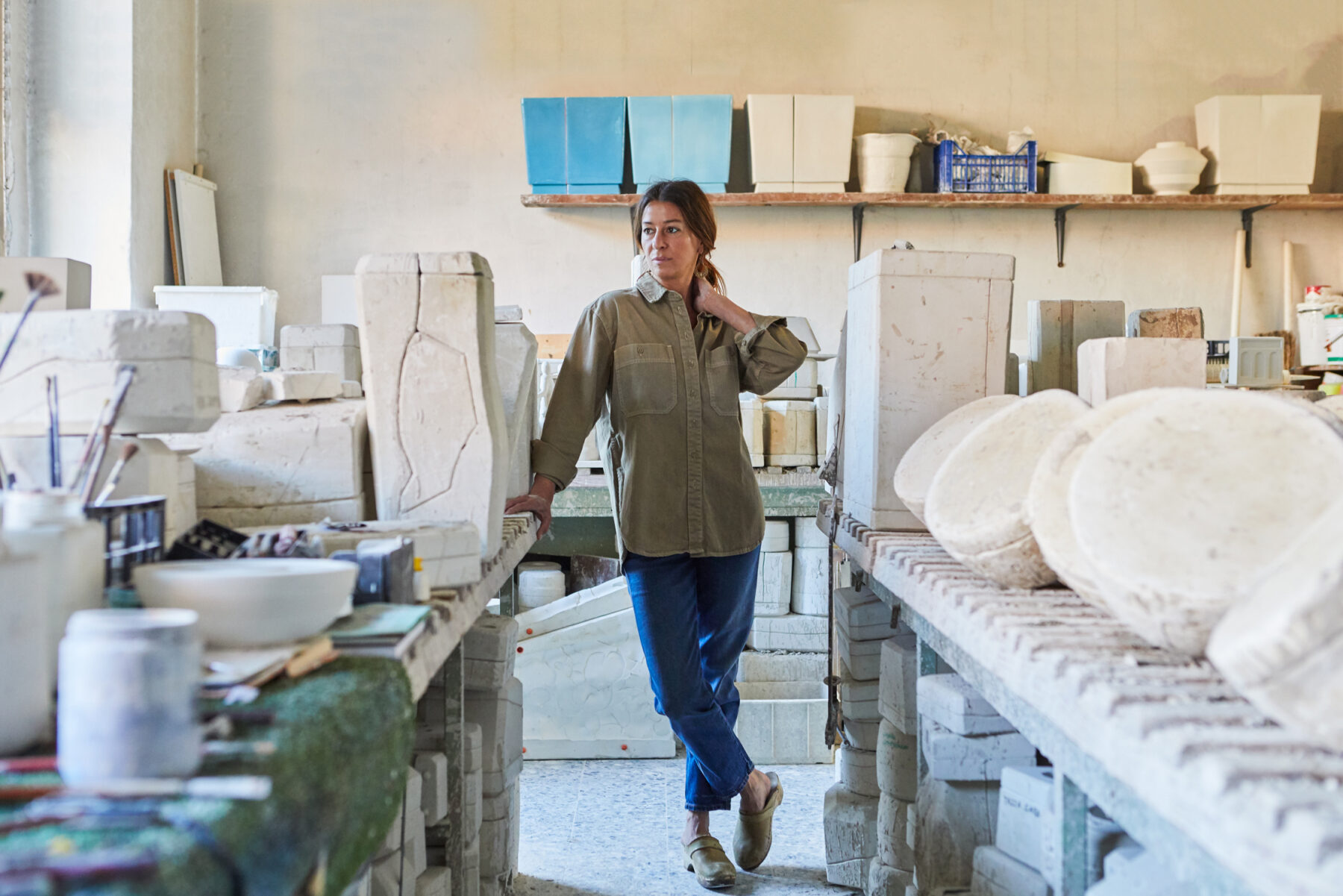
Can the cultural value of crafts revive design? In the case of ceramicist Iris Roth and her collaborations with local Italian artisans, the answer might just be yes.
“It’s about the little imperfections—those that mass-produced pieces usually lack—and that little crack that makes the piece alive in a way.”
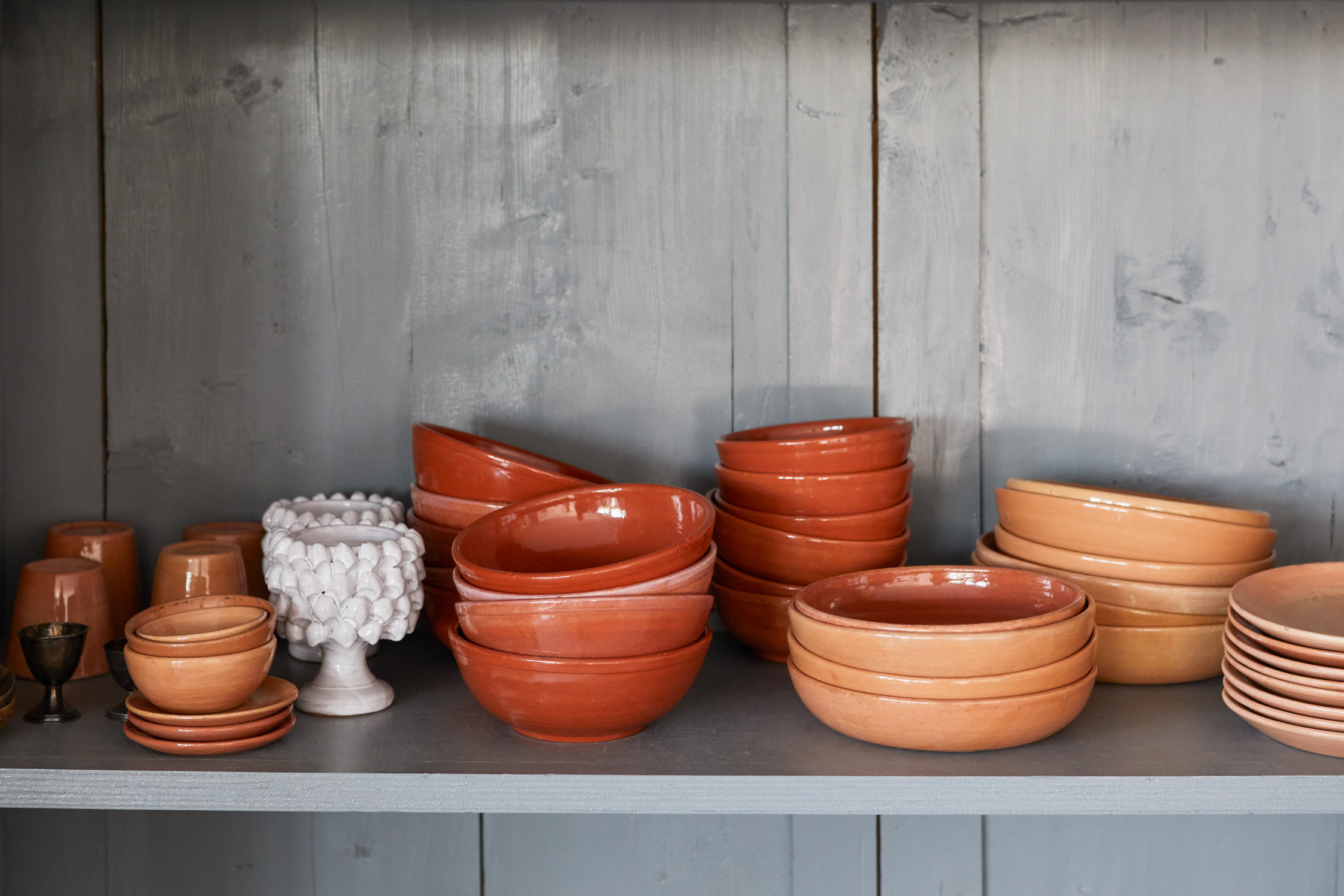


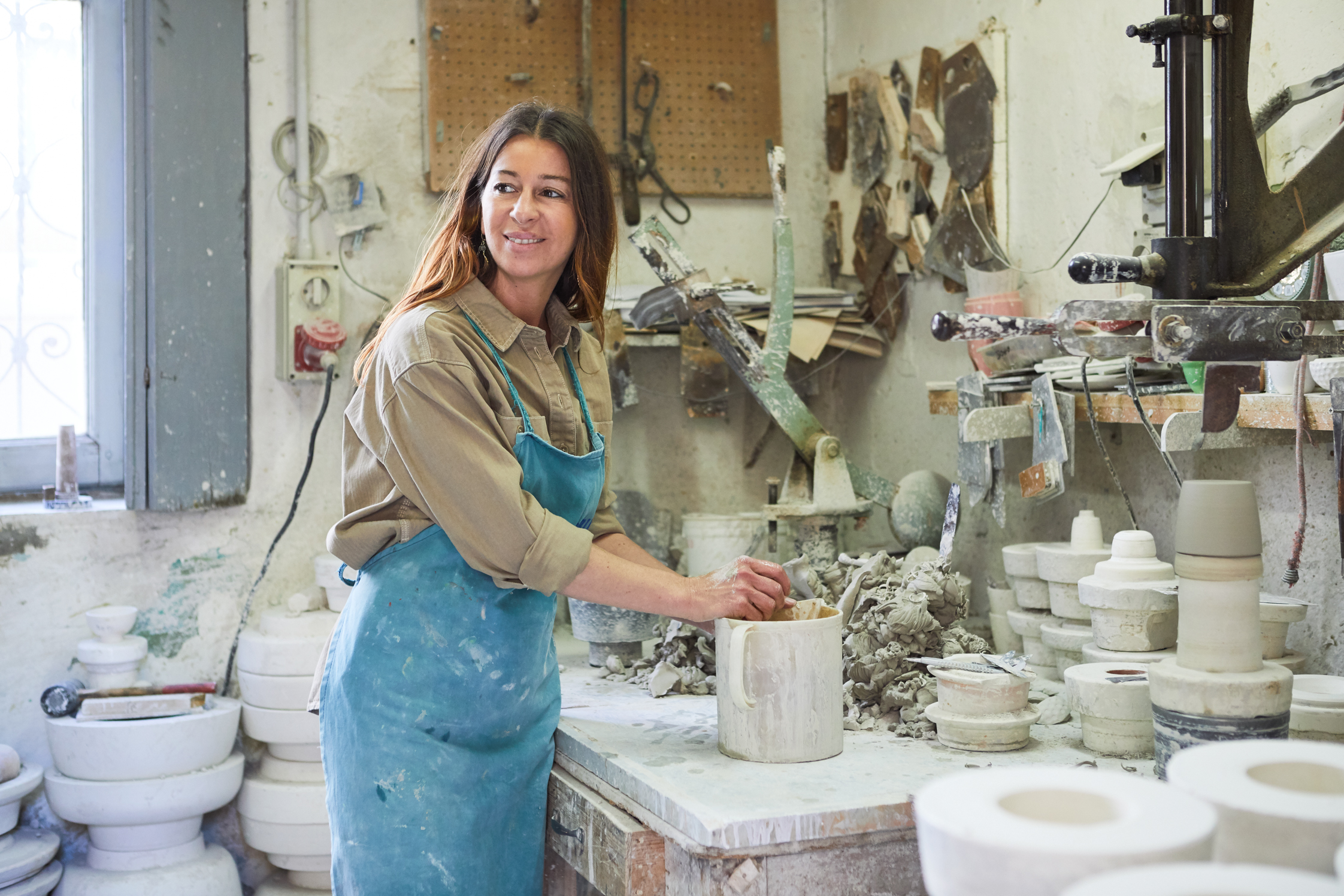
Roth owes her artistic inclination to her father, a painter and sculptor, whom she assisted from a young age. “Assisting an artist at work is a privilege. There’s such strong energy in this creative process. It’s contagious in a way; it’s beautiful,” she says. Absorbing that creative energy, she formed her first plates from his casts. How did she find her own voice? “It sort of came naturally,” she says, sat between the shelves of Michele’s workshop. “I probably would have done something a bit more experiential if my father wasn’t a sculptor. I cannot say I regret that, but I probably should have experimented more with forms and shapes.” An art history degree from Goldsmiths, University of London under her belt, she found her feet with pottery, playing with shapes and decorations. “That’s when I decided to create my own shapes—something more contemporary, but without losing the organic form and the feel of it. I went from wanting something more minimal to becoming more organic,” she explains.
“I completely want to have this business thing out of the equation.”
Today, Roth splits her time between her Milan home and office space, as well as regular trips to Sicily, where a “sweet and very dedicated” family produces her Earth Collection. The lead ceramicist has done his job since he was six years old, having learned it from his father. “It looks so easy but it’s actually quite difficult to do. It’s exhausting to make one hundred pieces a day—I would be utterly tired,” Roth says, laughing. Every resulting series is a collaborative effort: Roth draws or creates prototypes, depending on how complex the finished item will be; together they decide on the size, color, and type of clay. Every piece is handmade. How does she translate her ideas to them? “It’s not always easy. Sometimes my ideas are only obvious to me. When I’m not sufficiently satisfied, I have to do a new prototype. Sometimes there are just small details but they matter a lot to me.”
The results scream Made in Italy. In Roth’s eyes, the stamp “is always associated with something that gives you pleasure—warmth, sunlight, and good craftsmanship,” adding that Italian design also exudes timelessness. “If you look at the real old pieces, by the Etruscans or Romans, they’re all very simple in their shape and have something completely timeless about them. Think about the Holy Grail. You imagine it to be made of gold or something similar but, in the end, it’s super simple. It’s so much more precious when it survives time, in the way it looks and how it functions in the world,” Roth says. Function is vital for Roth. She believes wholeheartedly in the benefits of having “something handmade surround you every day; something you have a connection with.”




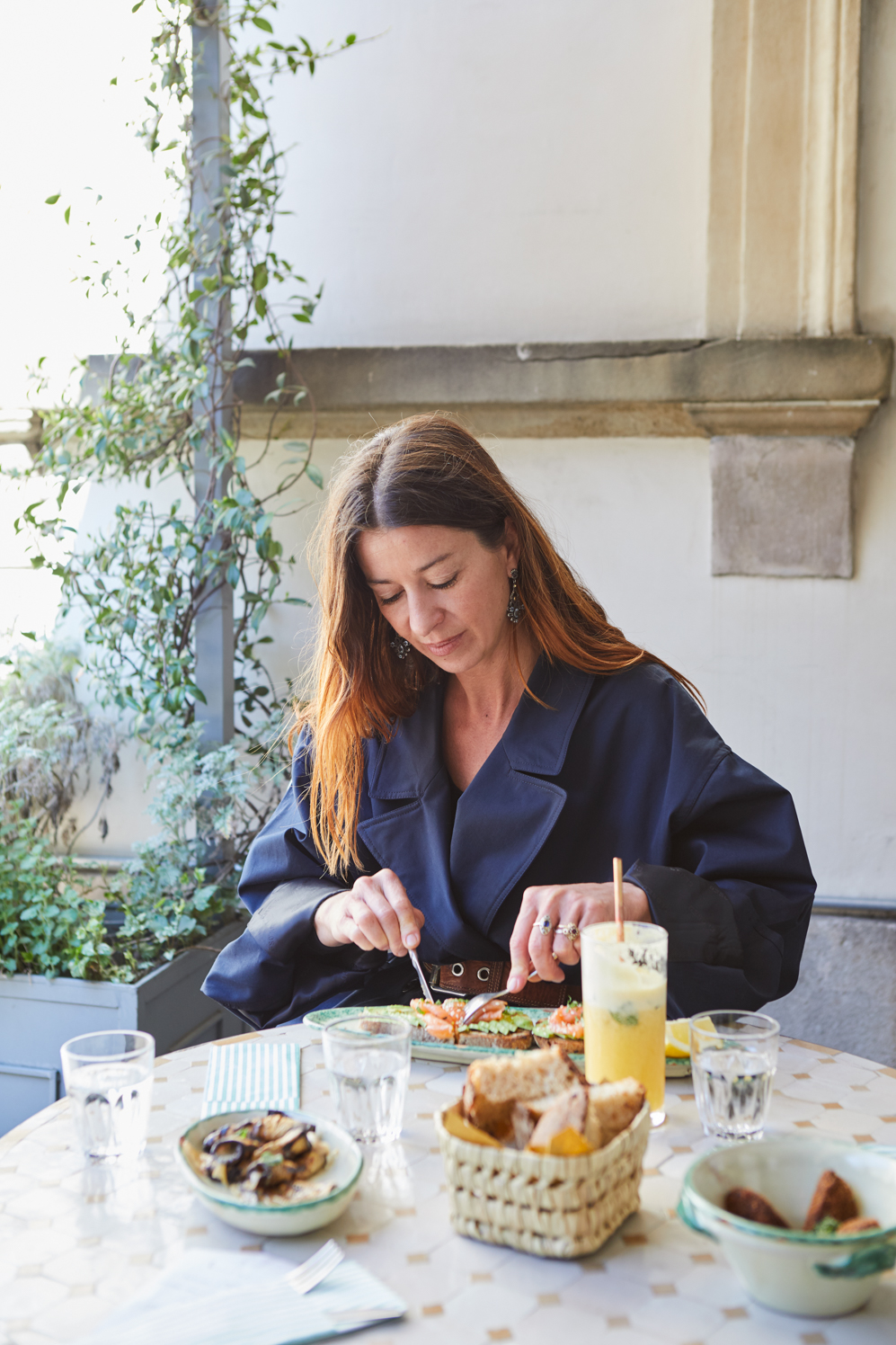
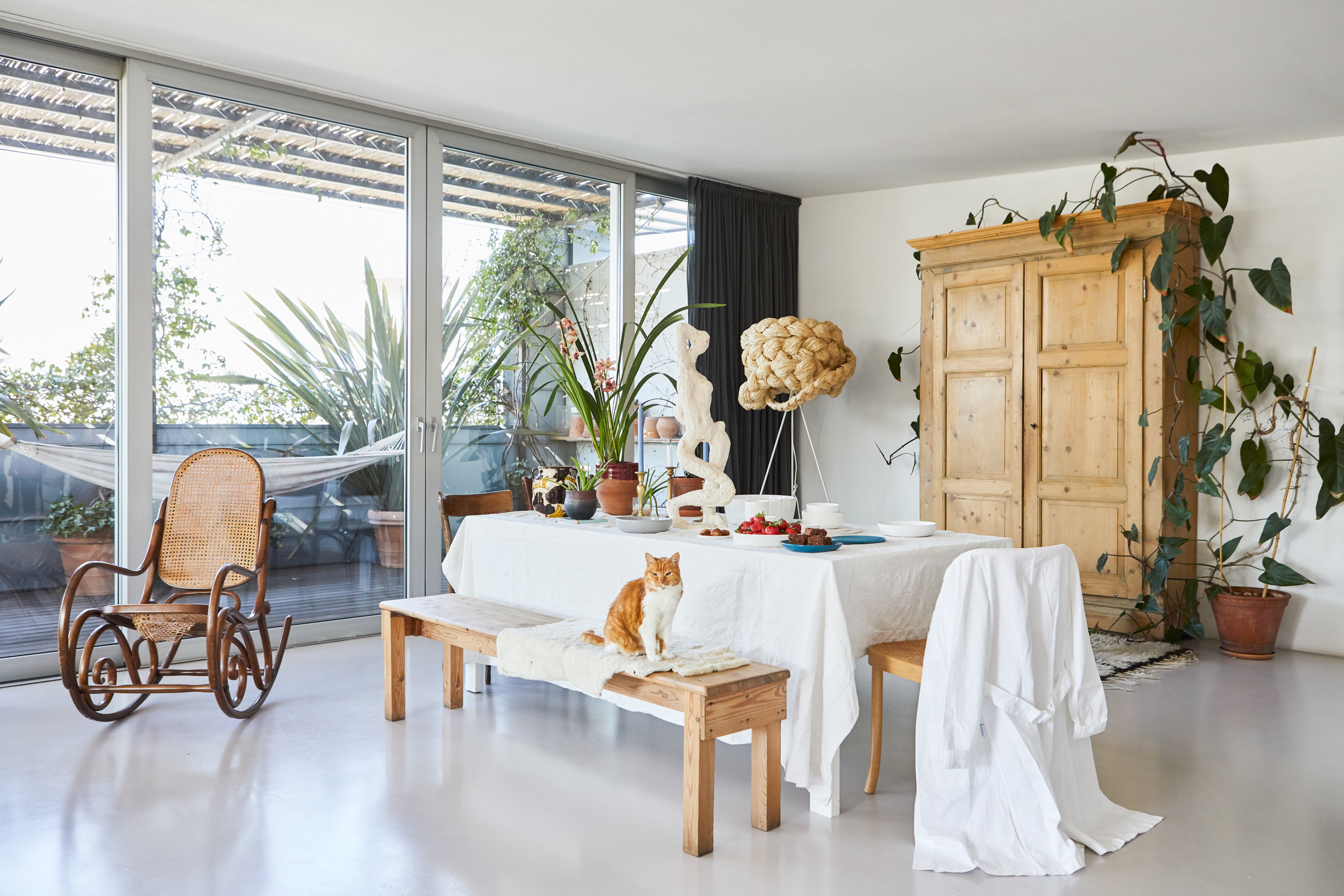
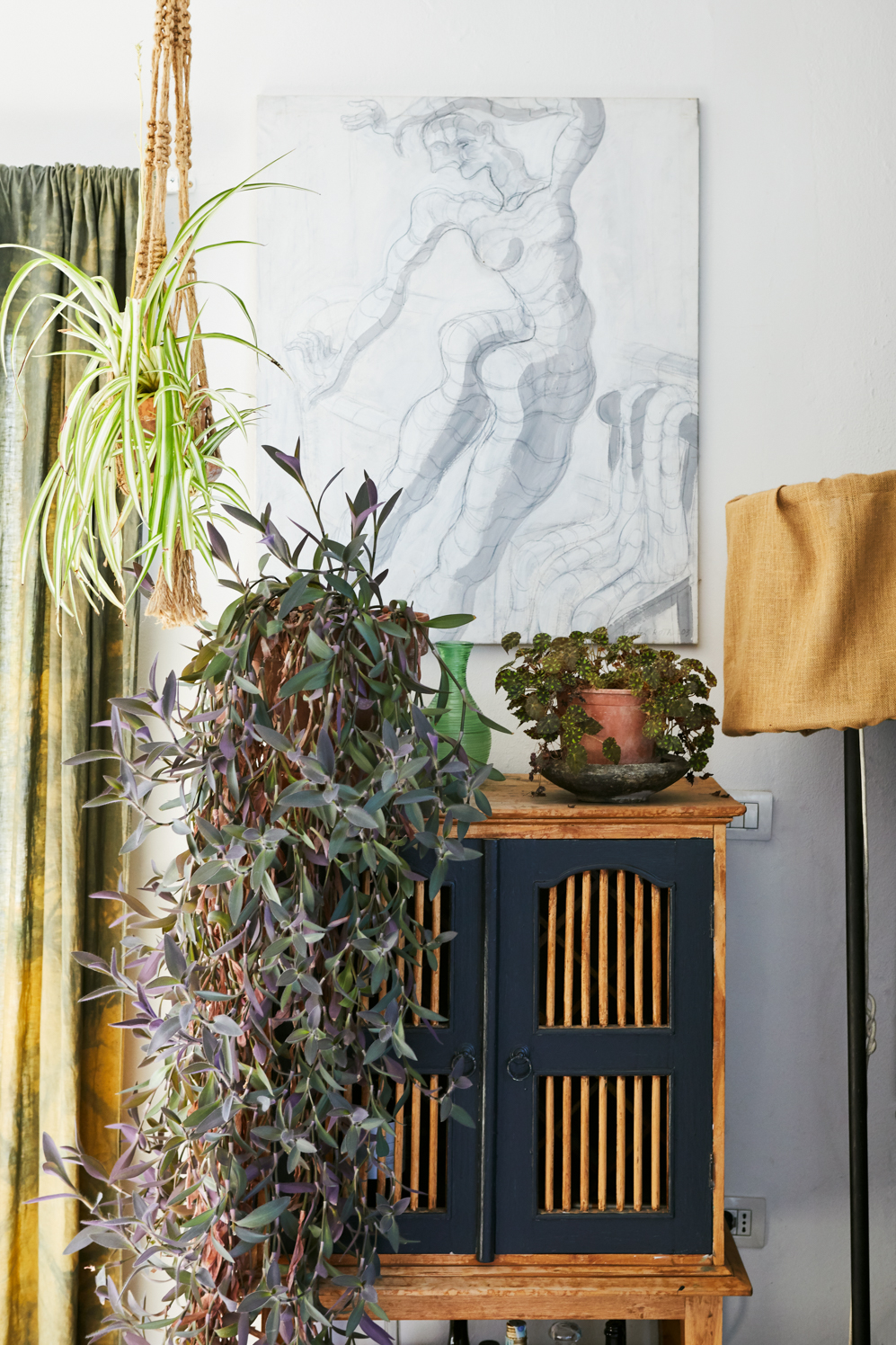
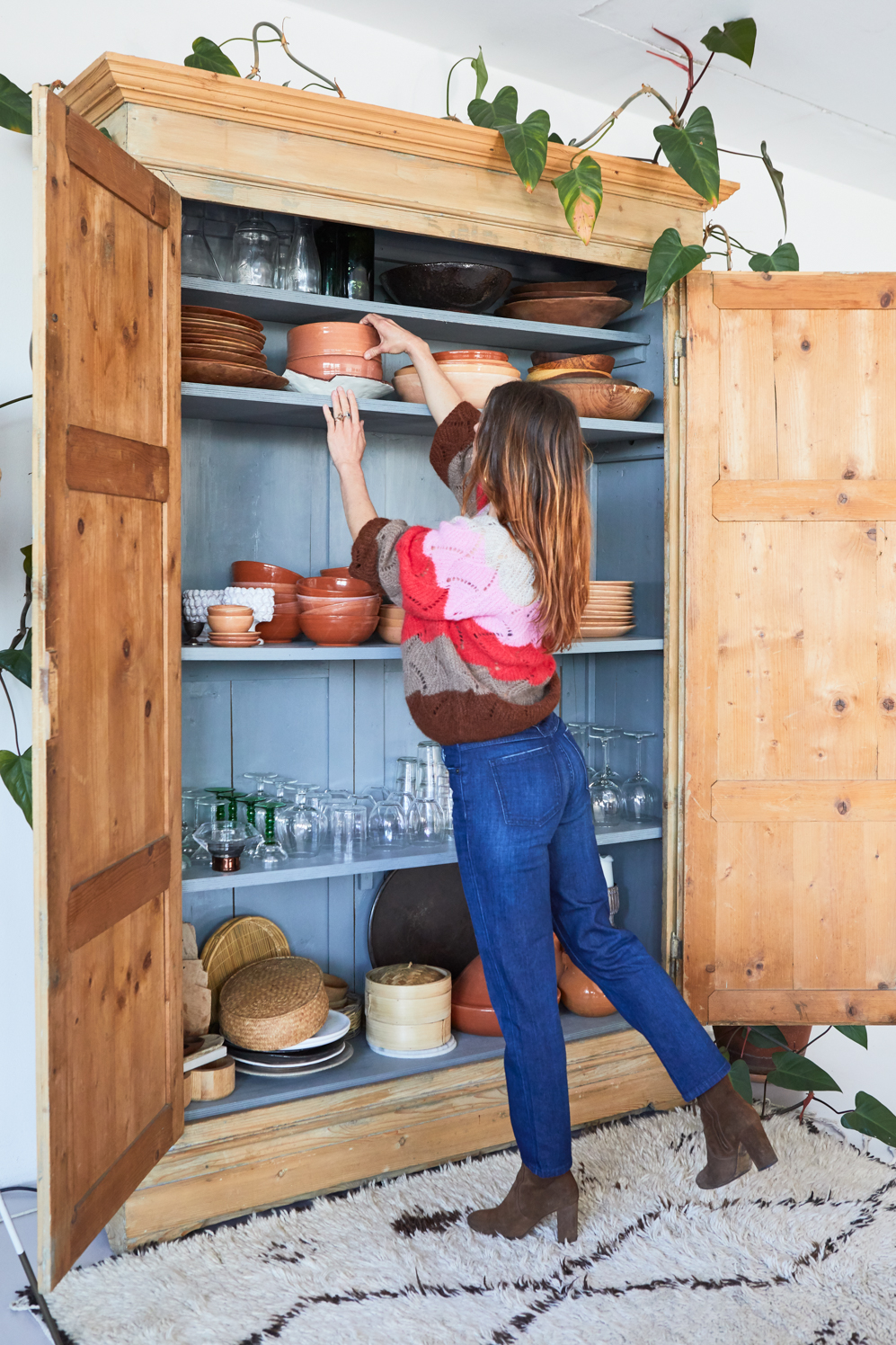
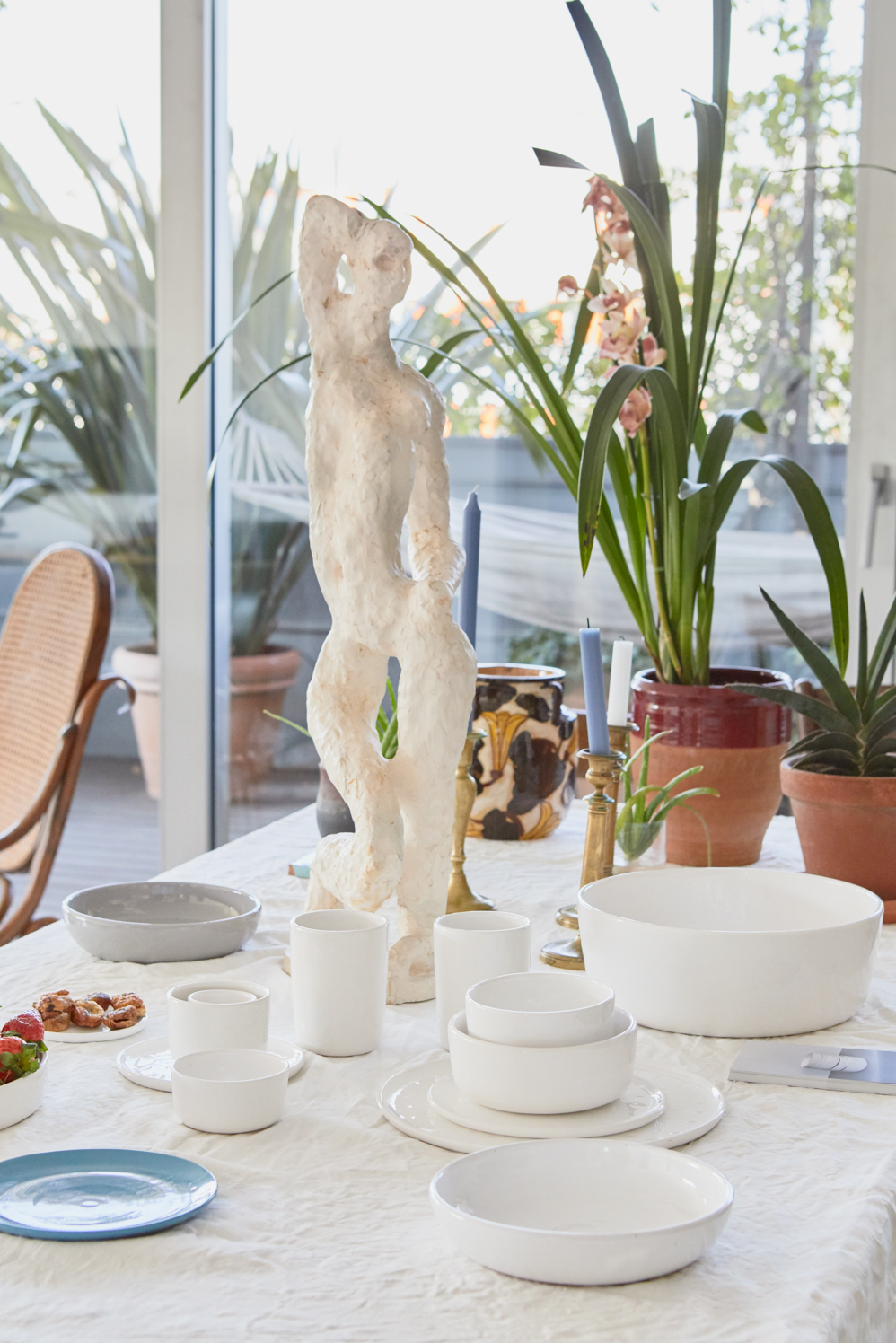
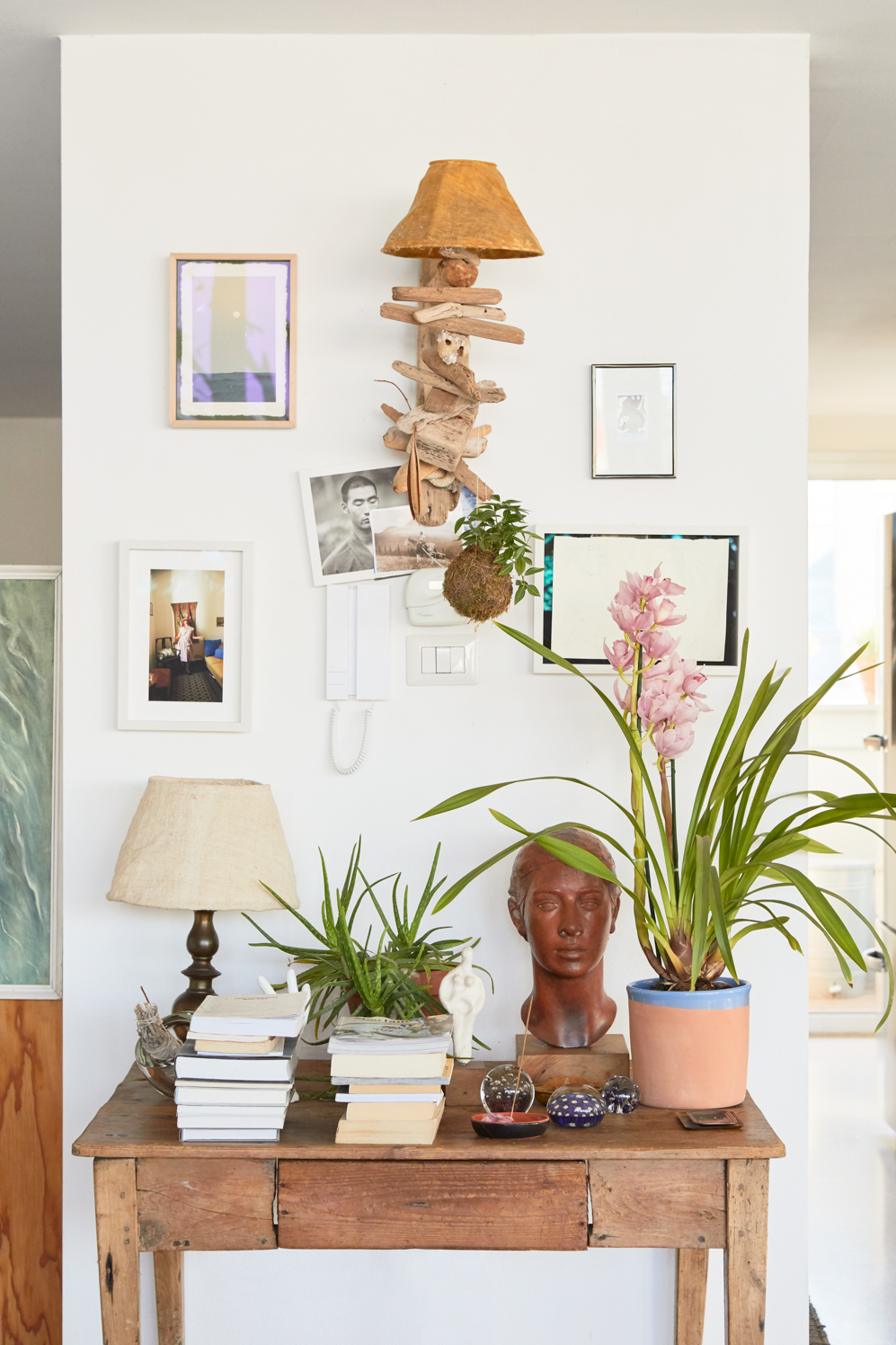
Roth’s home atop a former industrial complex easily conveys that sentiment. A white sculpture of a female figure sits on her dining table, situated within handmade ceramic tableware. Among ephemera from her artist father, you find a Roland Barthes monograph or a photograph of Che Guevara. A spacious living area opens up to a lush rooftop terrace dotted with vegetable patches, overlooking Milan’s Romanesque-cum-industrial landscape. Roth’s home is everything but formal; it’s eclectic, yet simple and exudes a tranquil, informal atmosphere, one that instantly transmits a sense of being on vacation. “It’s not just about the object; it’s about the whole thing. To get passionate about something, I really have to fall in love with it. I mean, there are probably like thousands of incense burners in the world. So I always think, how can I do this piece that is a little different to create something you really want to have and keep for a long time.”
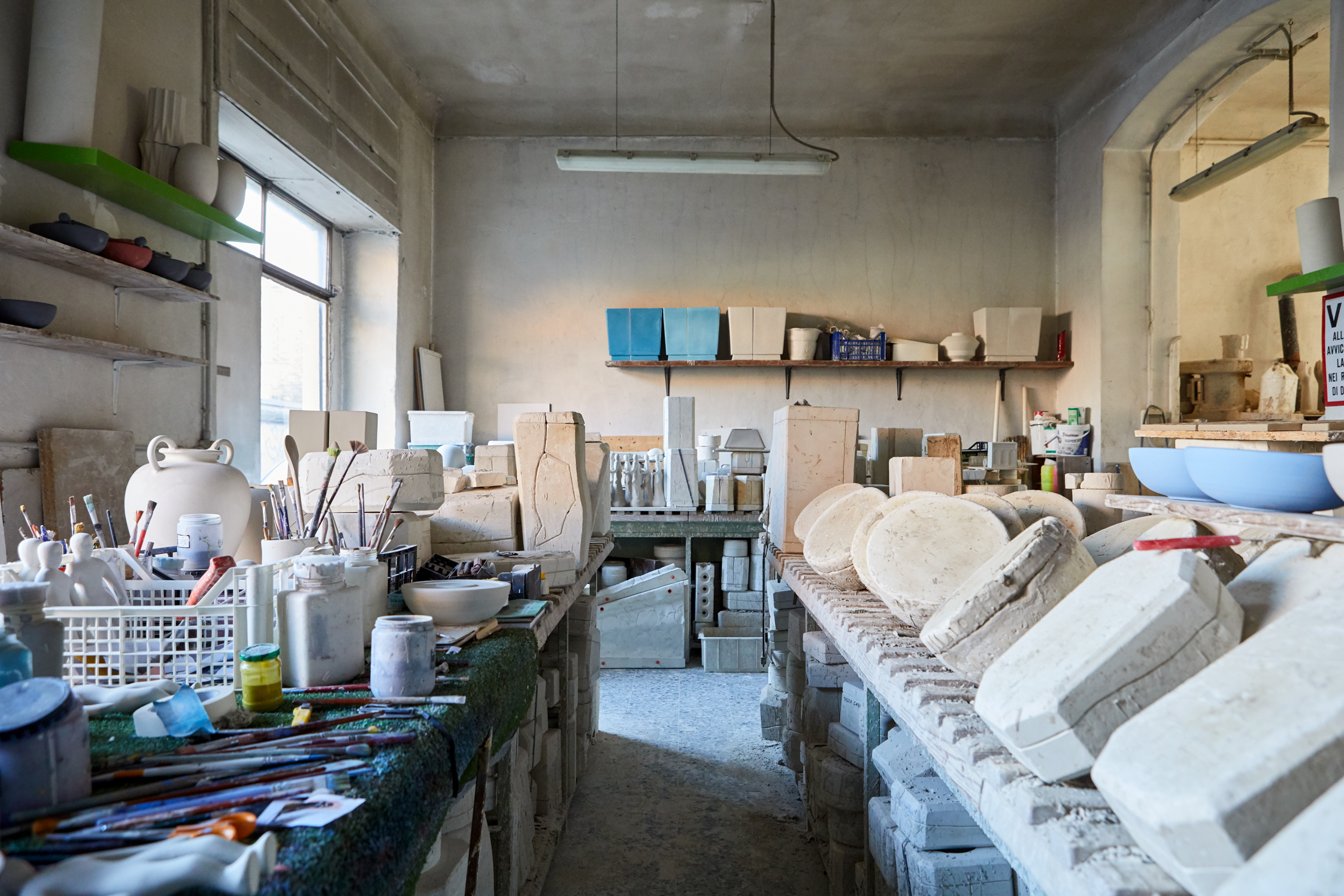
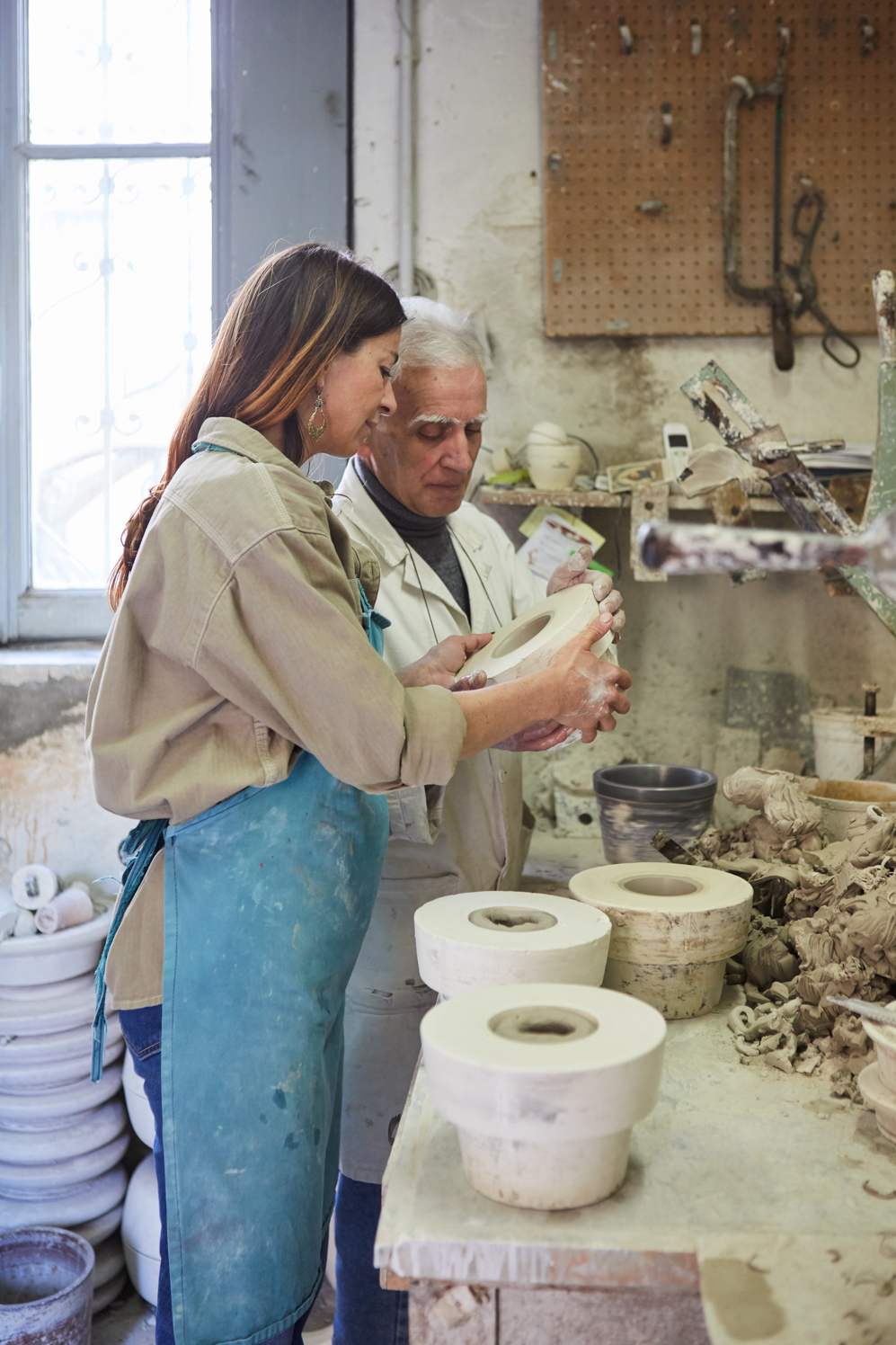
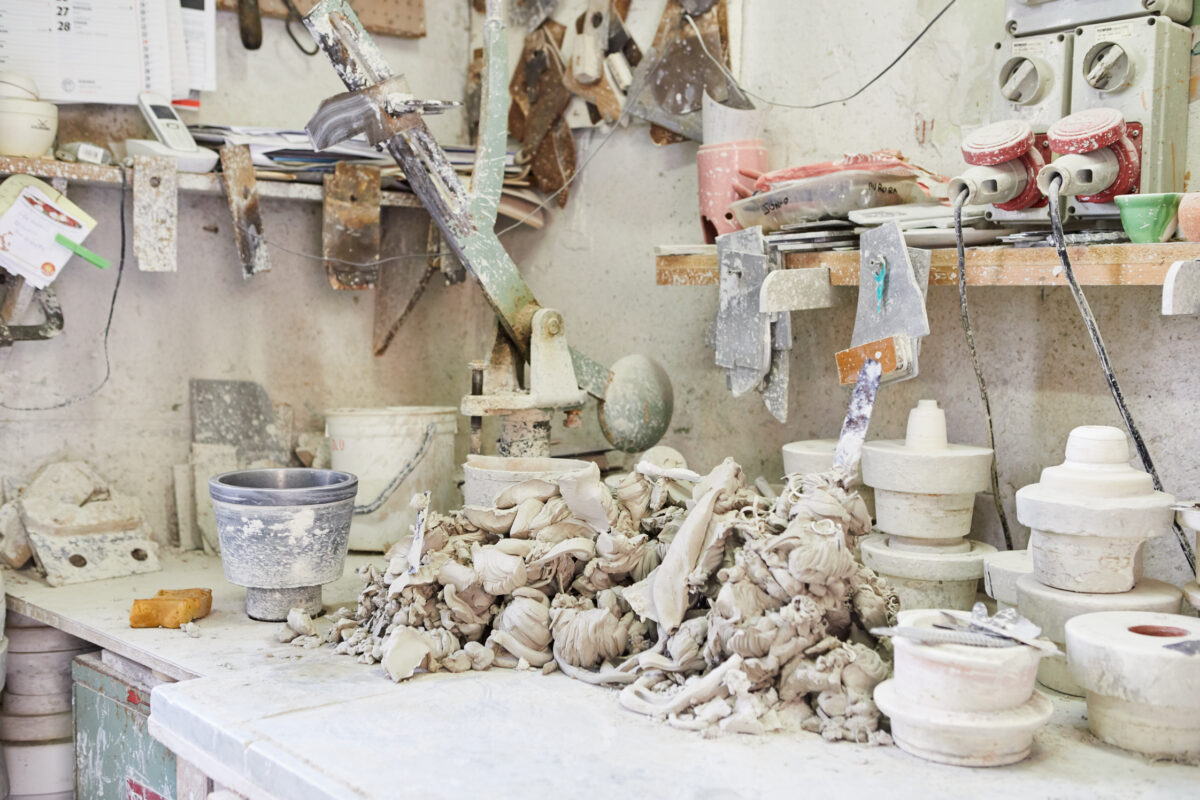
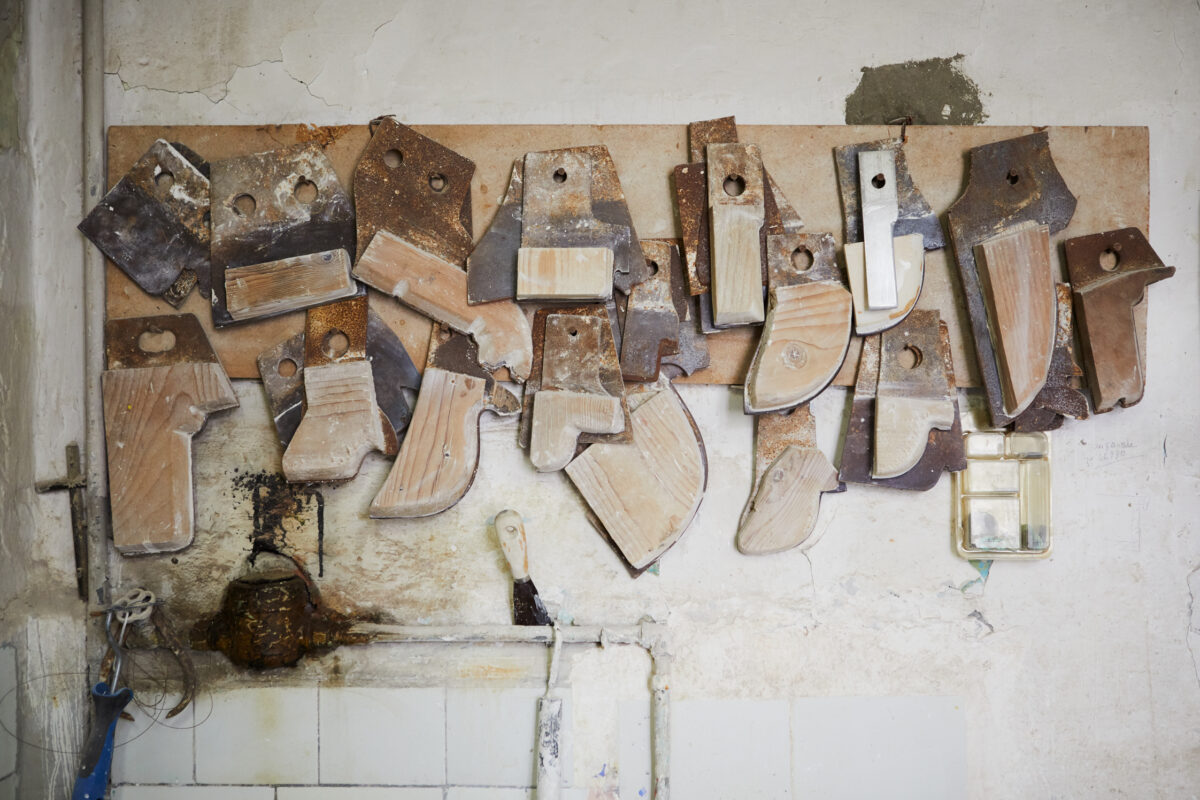
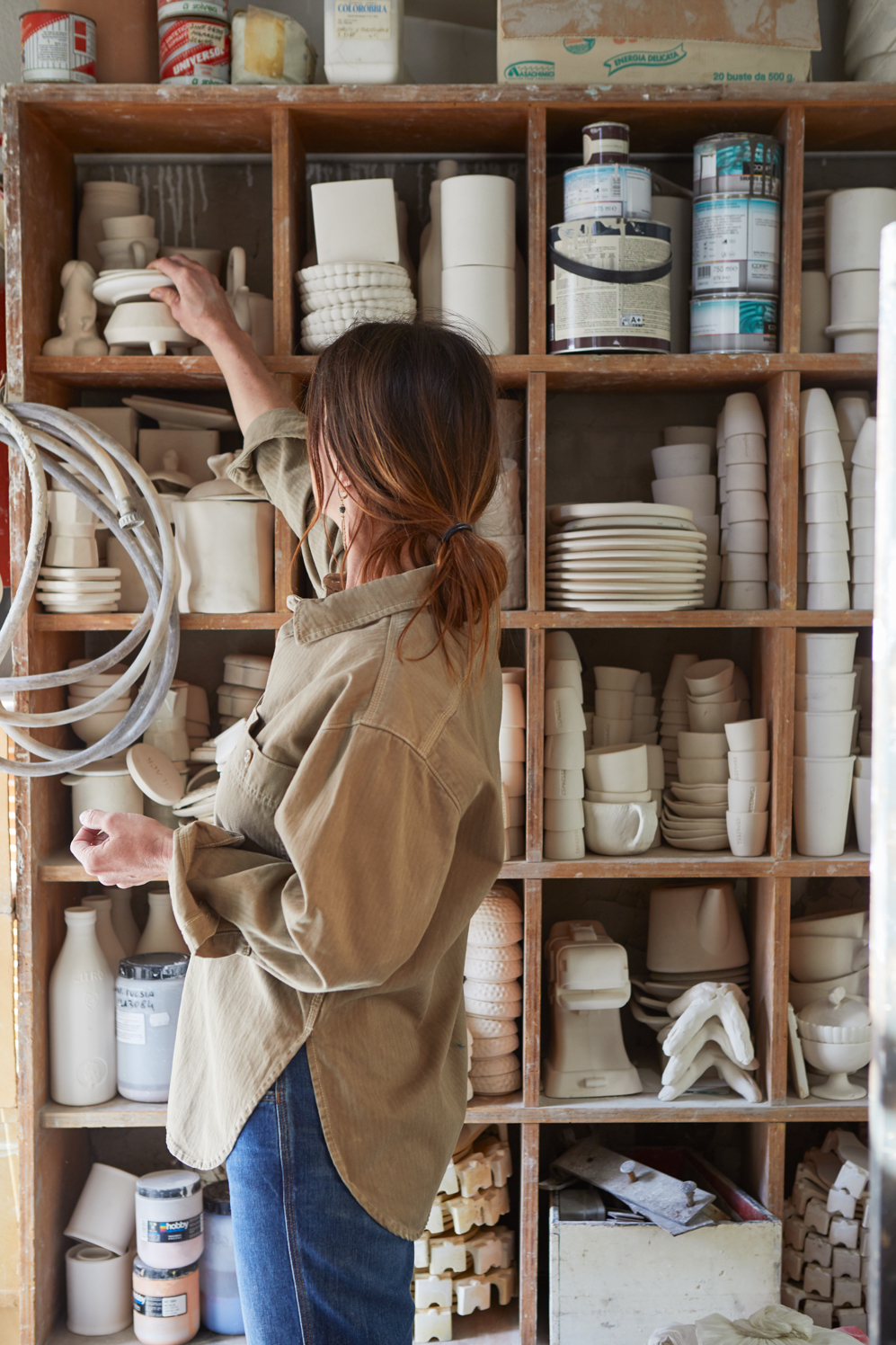
In every design context, crafts are undeniably experiencing a revival. There has been an explosion of interest in all forms of making, which Roth finds particularly important for home objects. In fact, flaws have become trademarks of local and international brands replete with artisanal references, while materiality has gained new meaning. “Due to the whole process that’s behind it, the pieces are more soulful. It’s about the little imperfections—those that mass-produced pieces usually lack—and that little crack that makes the piece alive in a way. Some people actually complain about them, they might say this one piece is slightly thicker than the other one. I consider that a value, not an imperfection. It’s handmade and that adds so much more to it,” she says. But her appreciation is an anthropological celebration, too. Through her collaborations with local artisans, she harnesses her roots’ cultural value and offers it to a contemporary society increasingly longing to live more consciously. Artisanal history is no longer marginalized. Instead, the research and the involvement of local communities in pottery, among other disciplines, embraces elements of art, design, and anthropology at the same time. But, as Roth points out, this idea doesn’t yet cater to mass audiences. “I’d like to cater to the person who is looking for something unknown or undiscovered—or just something to love.”